A Taste of Mongolia – Aug/Sep 2023































Mongolia
Since I can remember I had wanted to visit Mongolia and I finally got to do so this year. As a youngster I imagined myself in vast, wild landscapes, trekking on a pony for miles on end whilst surrounded by steep valleys and fervent grasslands. Fast forward 25 or so years to 2023 and here I am in Mongolia! I decided I wanted to use a local tour company so I did some research online and found a company called View Mongolia, based in Ulaanbaatar. They offer a variety of tours covering much of this vast country. From a general “Taste of Mongolia” tour, to tours which include the North of Mongolia where you can visit reindeer herding families, Eagle Festival tours where you’ll see Kazak eagle hunters in action in Bayan Ulgii province! This centuries old tradition of humans using Golden Eagles to hunt was added to the UNESCO Representative List of the Intangible Cultural Heritage of Humanity, as an example of ‘living human heritage’. Another major attraction for foreign visitors is the annual Naadam (translated as “games”) festival – highlights include traditional wrestling, archery and horse racing. The festival has existed in one form or another for hundreds of years and celebrates Mongolian cultural heritage.
Opting for a local tour operator is far cheaper than the more exclusive foreign operators and in my opinion lends itself to a more authentic experience, safe in the knowledge that all your money is going into the local economy. Operators also offer tailored tours so if you’re a couple you may find it only marginally more expensive than joining a group tour. I opted for the “Taste of Mongolia” Gobi Desert Highlights and National Parks Group Tour and paid a little extra for the single supplement which meant I had a ger all to myself every night!
The 12 day itinerary covers some of the most spectacular and diverse landscapes within driving distance of Ulaanbaatar, covering some 2540 kms total driving over the 12 days.
I arrived a couple of days before the start of the tour as I wanted to settle in and acclimatise and also get to know Ulaanbaatar. The city can easily be covered in a couple of days, the highlight for me was the Chinggis Khaan Museum – an impressive, modern museum taking the visitor on a journey from early Mongolian history up until the rise of the vast Mongolian Empire which gave rise to the famous silk road. The city was surprisingly modern in the centre and I enjoyed some great food in various upscale restaurants – all at a relatively affordable price!
Aug 24, Day 2: Tsagaan Suvarga colorful mud cliffs
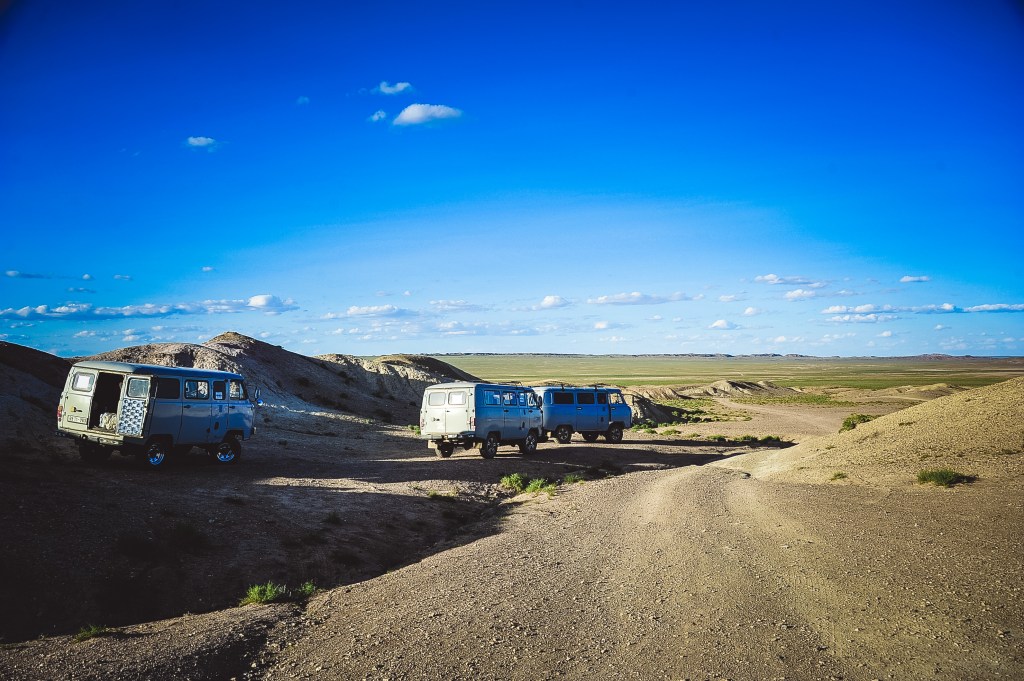
On the first day we were met at the hotel by our wonderful guide Soni and I met the rest of the small group – Antonia & Rocco from Bologna, Max from Tokyo, Fanny from Singapore and Jen from Australia. I was glad we had a nice little group! We met our driver, Tsiigi and started our adventure! We all could comfortably fit into one 4×4 minivan. As soon as you the leave the capital, the landscape hints at the beautiful wilderness which lies ahead.
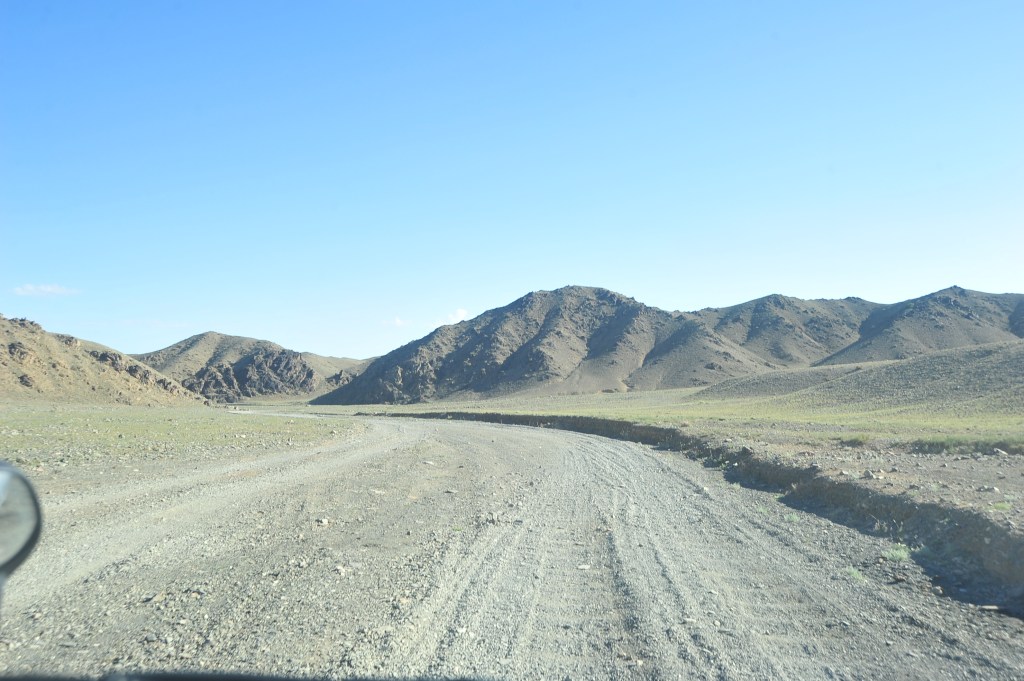
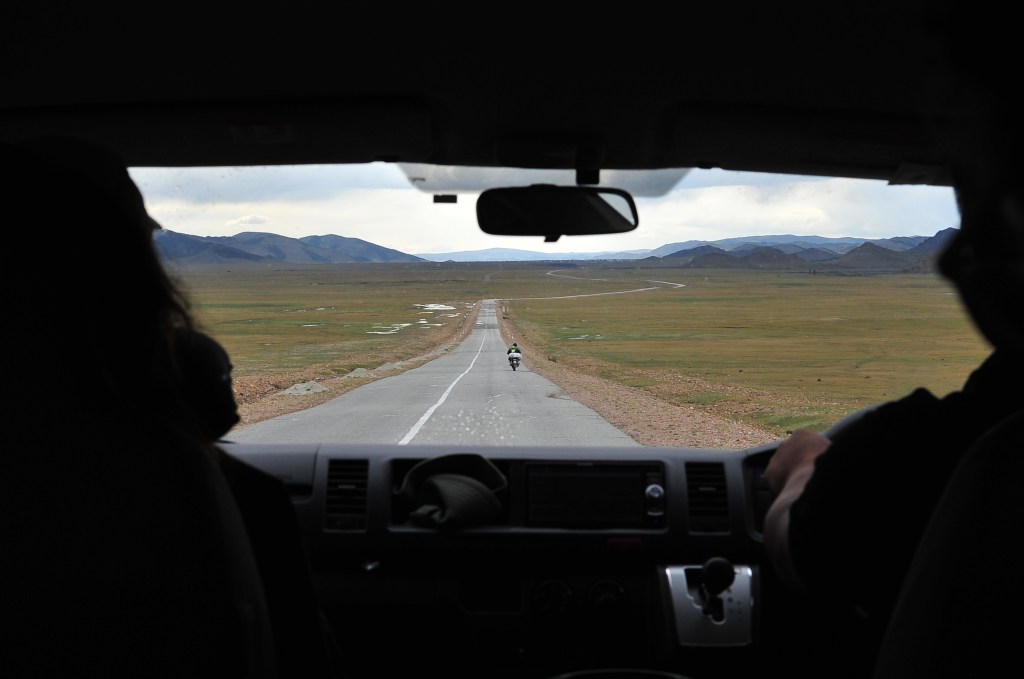
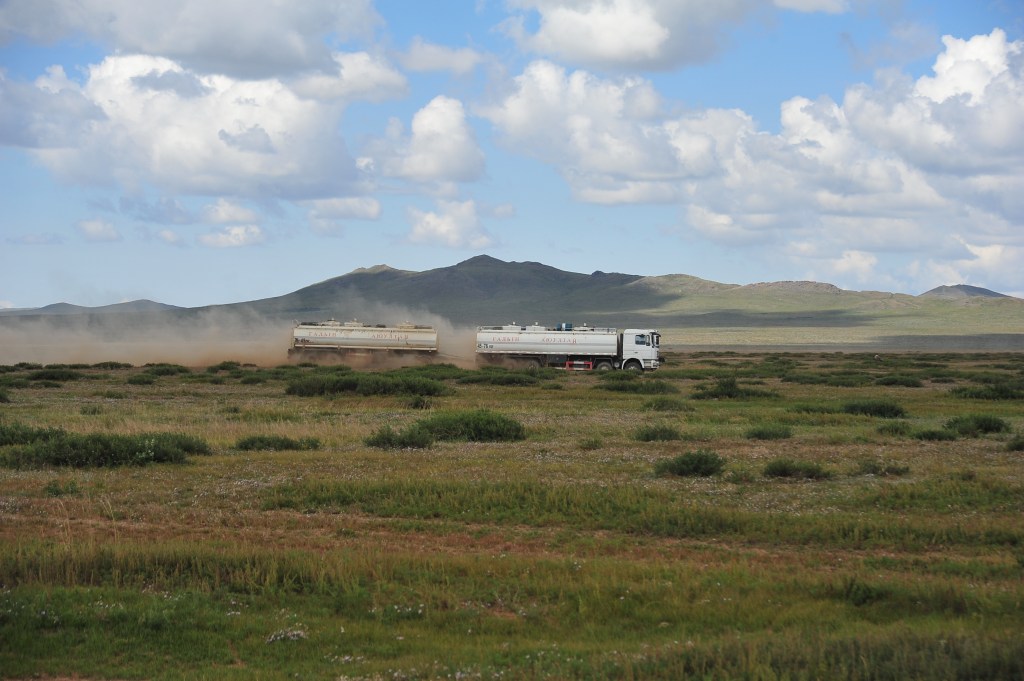
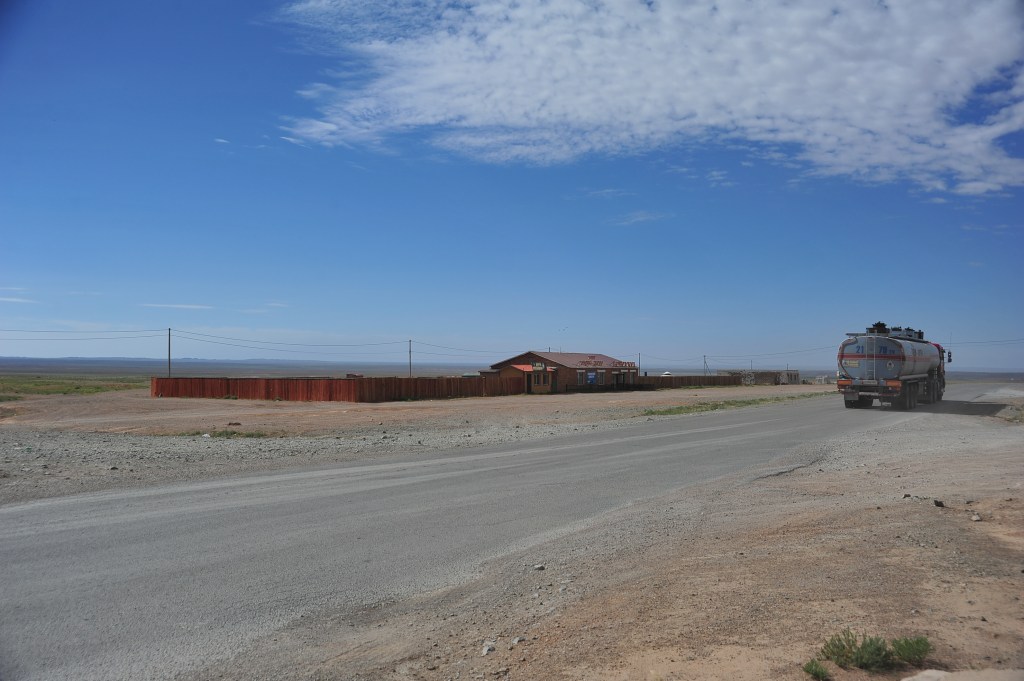
As we approached the Gobi, we stopped and for the first time you could appreciate the silence and sense of scale of the great outdoors we were now a part of on this tour. The tarmac road had by this point turned into dust tracks, which Tsiigi knew like the back of his hand, despite there being no signs or obvious landmarks! I spotted a large committee of Cinereous Vultures on the little hill next to where we parked.
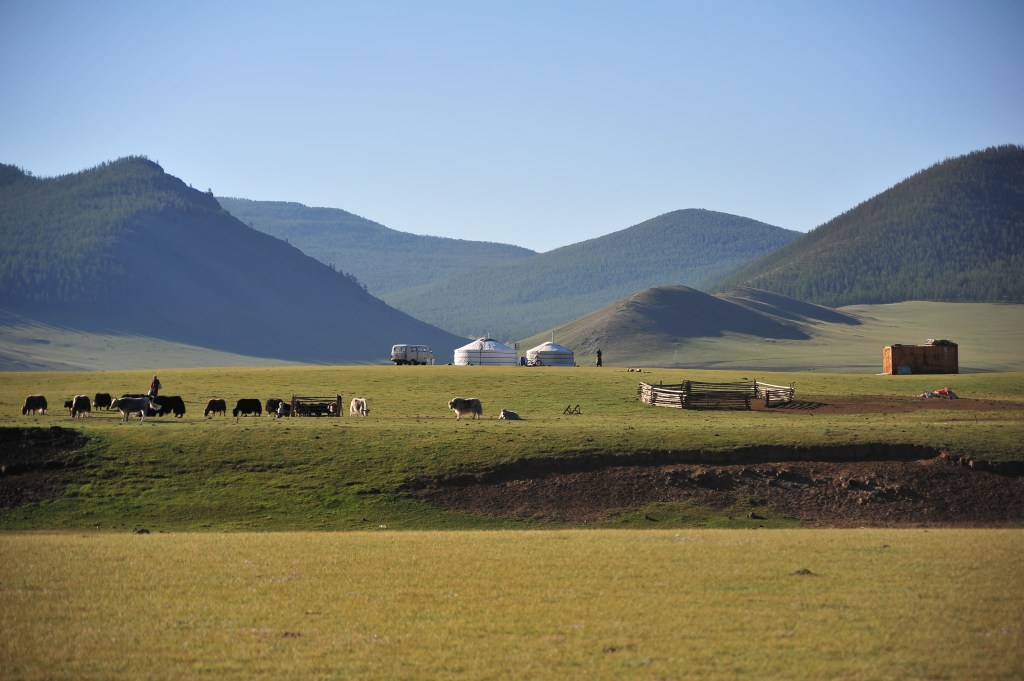
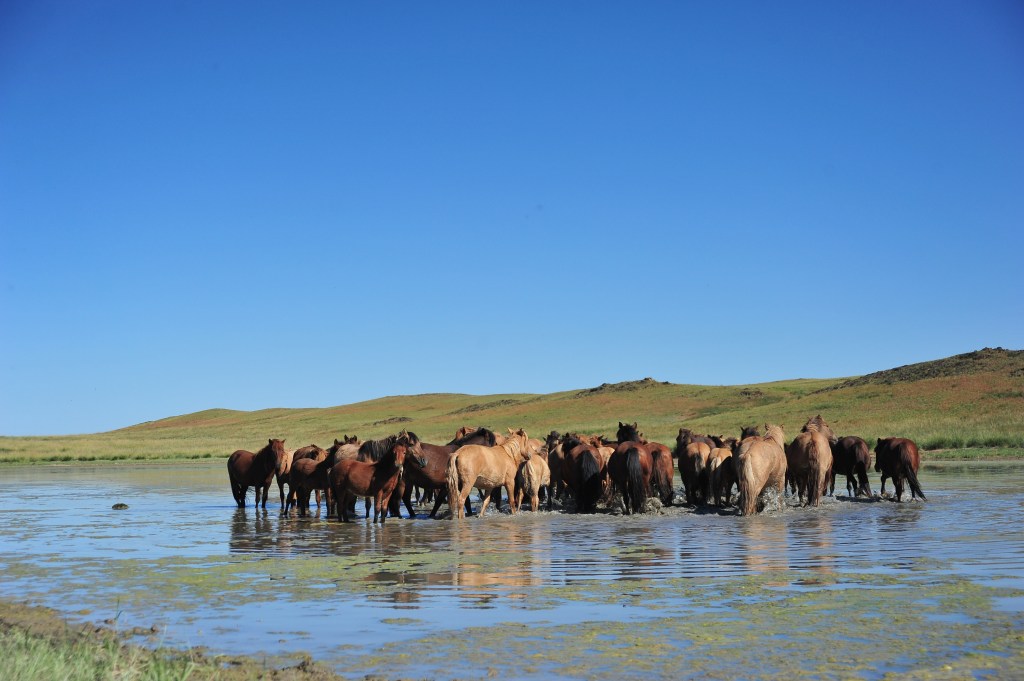
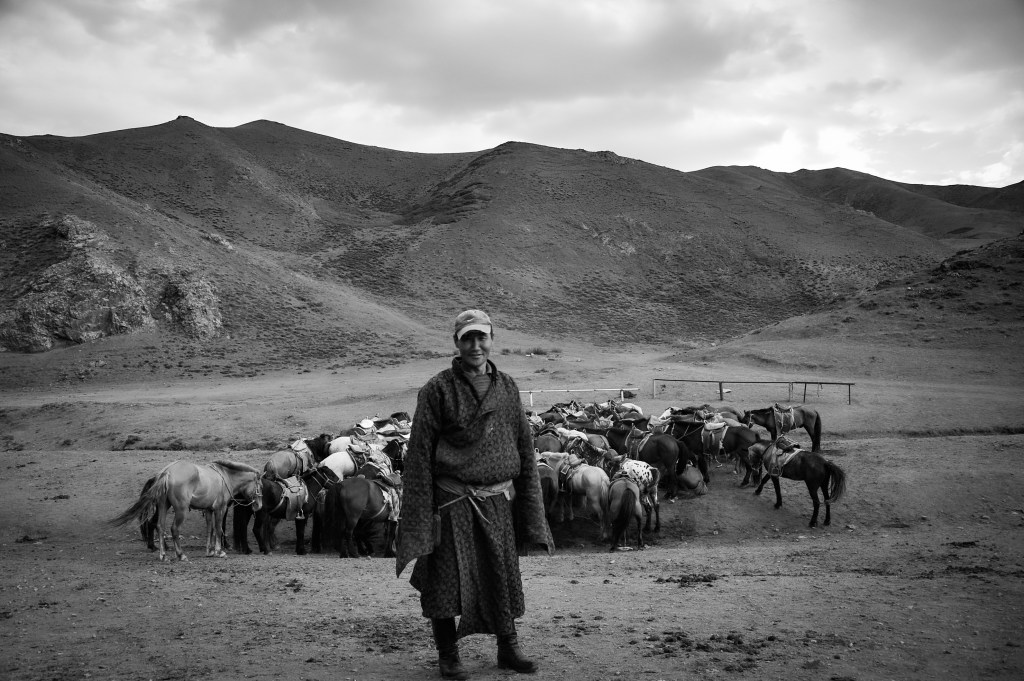
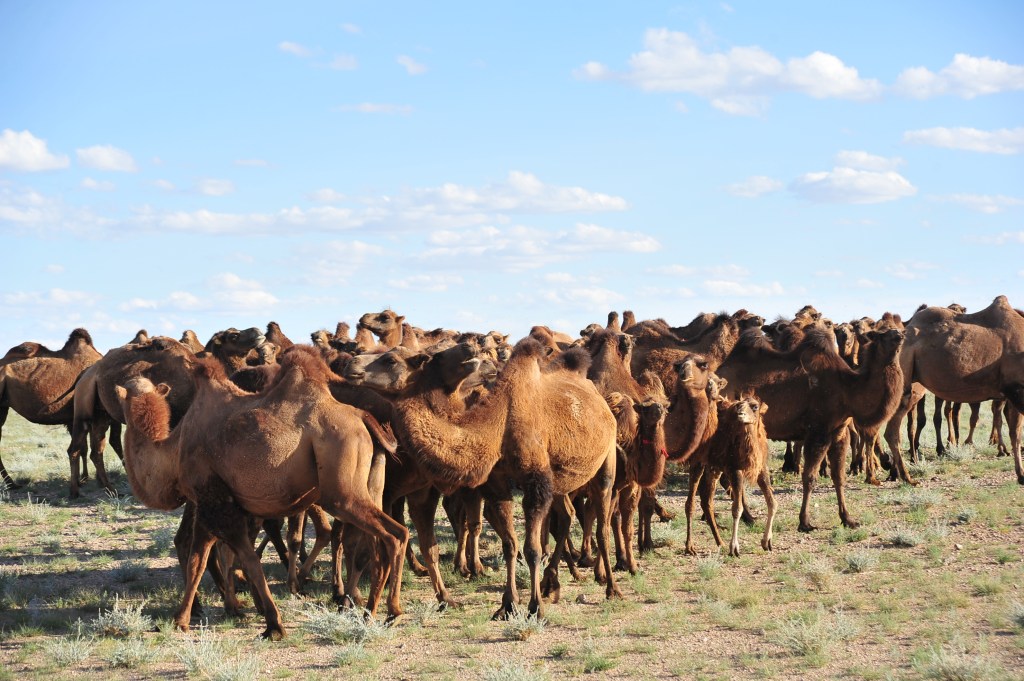
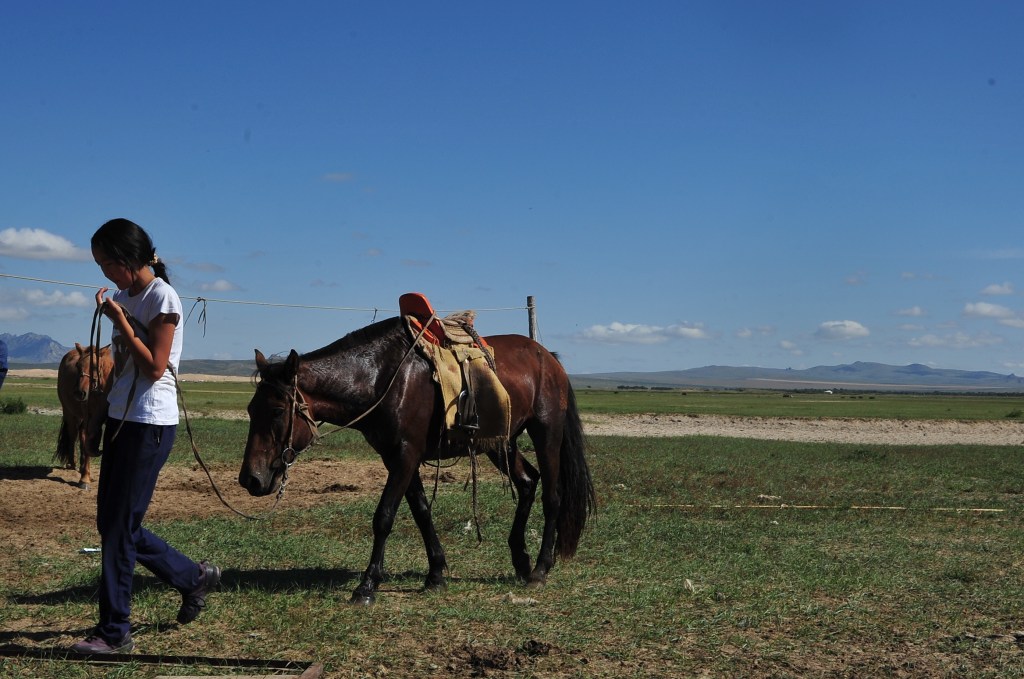
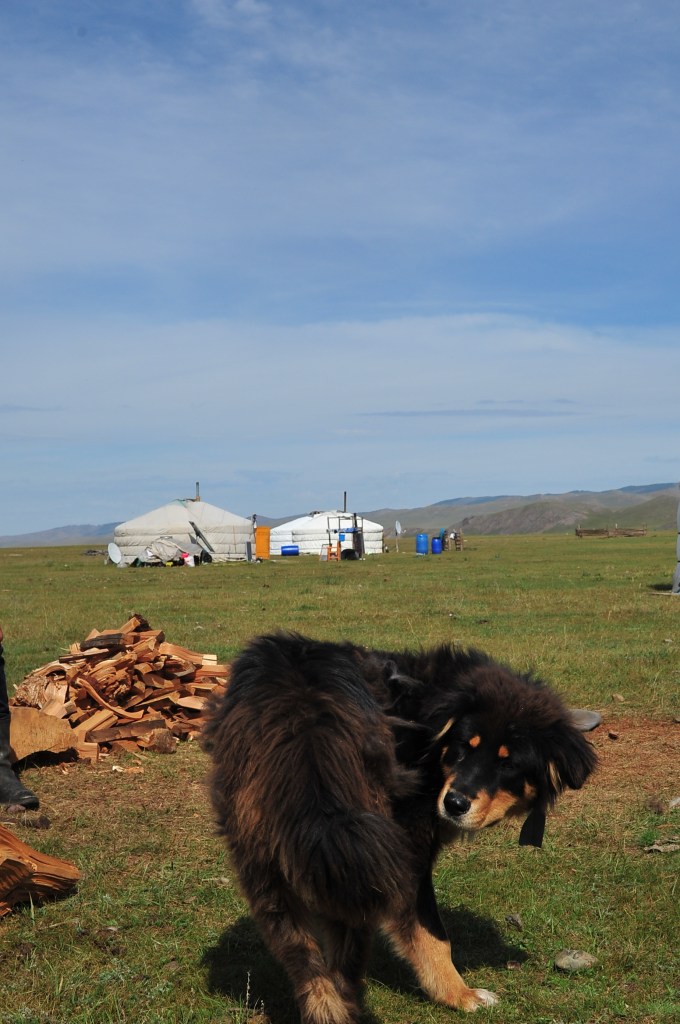
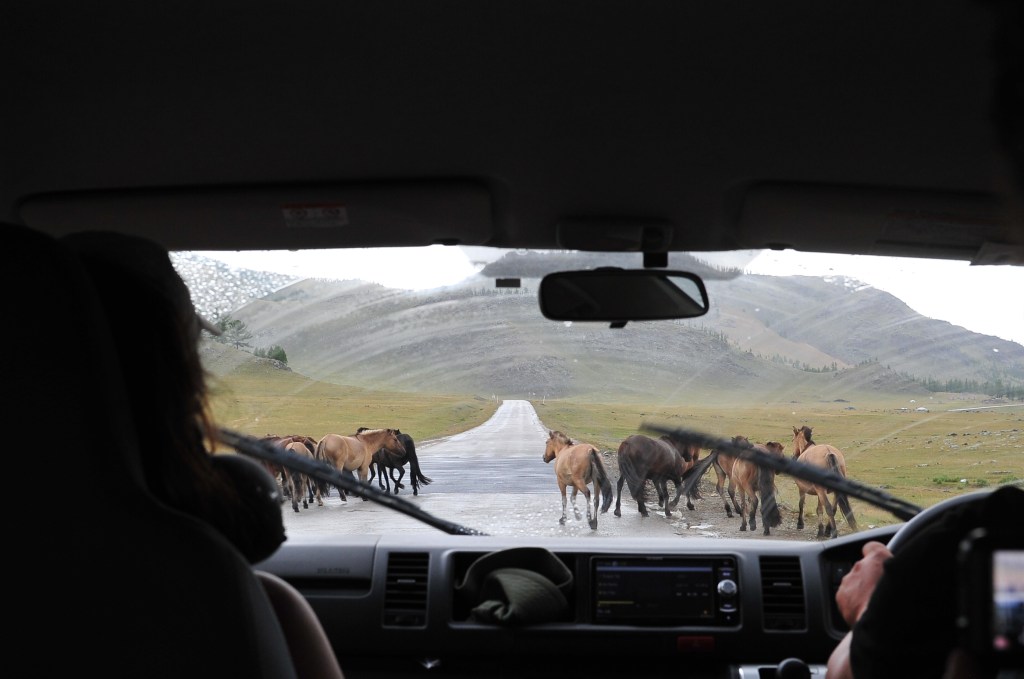
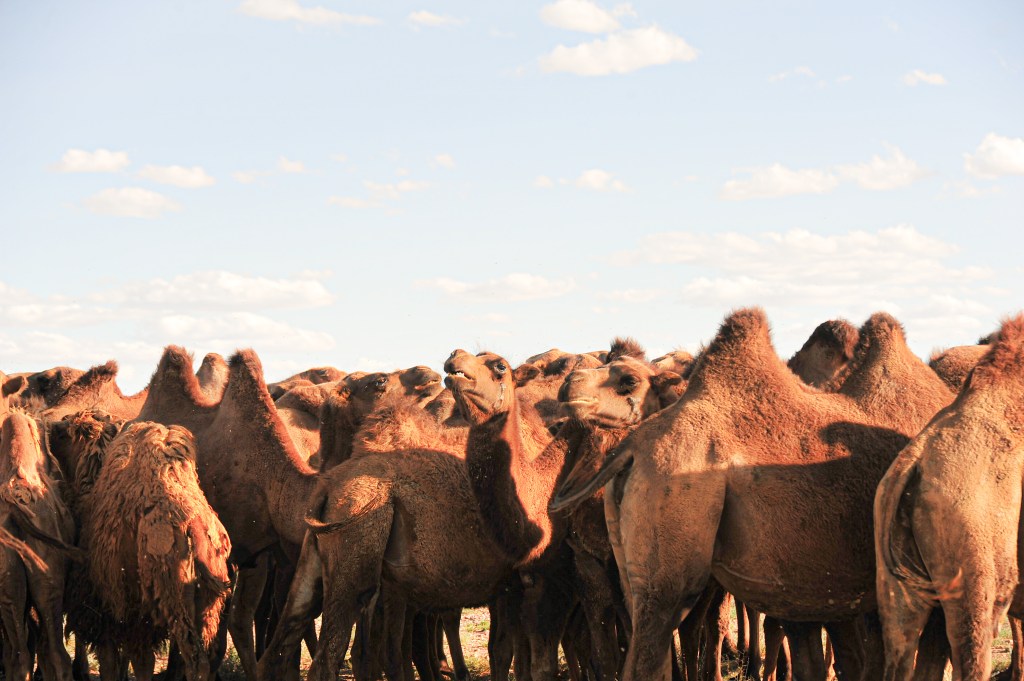
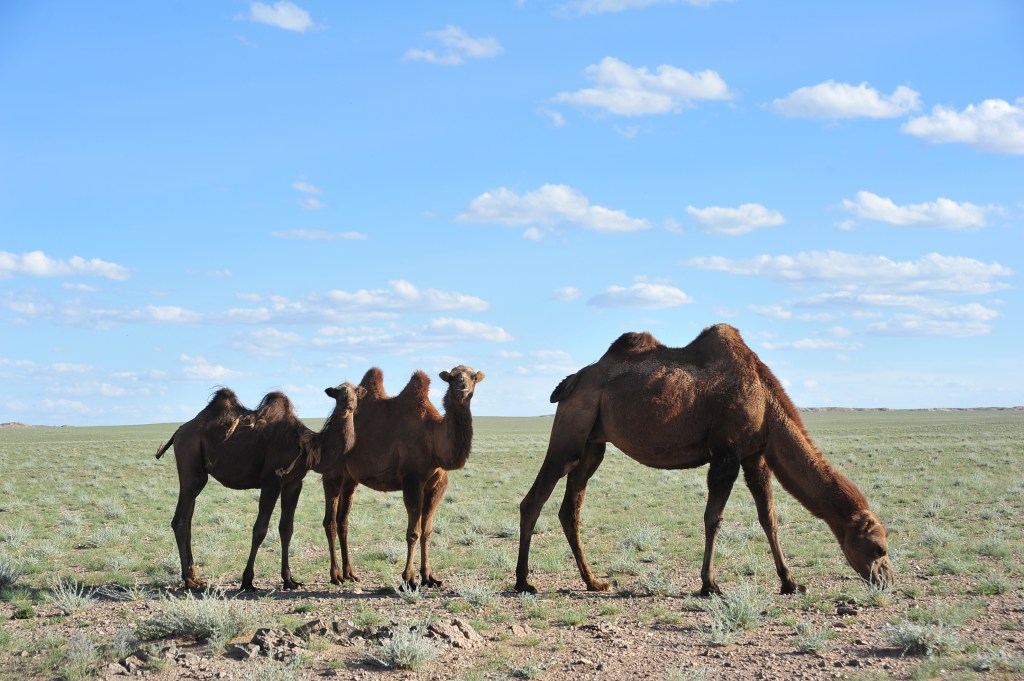
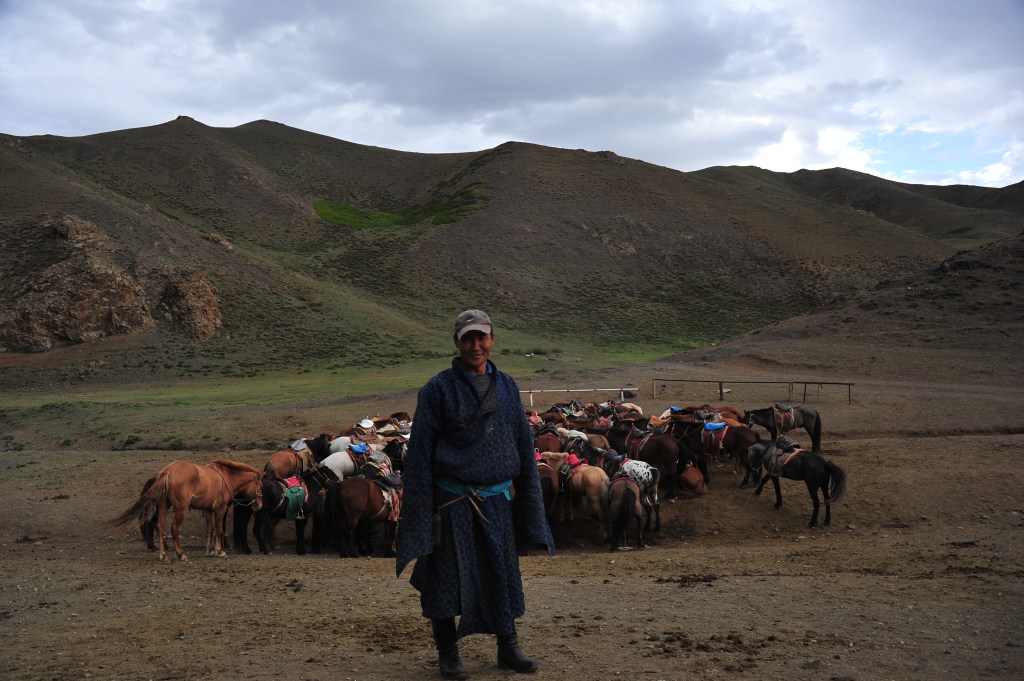
As we raced through the desert we spotted a huge herd of bactrian camels and we stoped and walked up to them, it was amazing seeing these beautiful animals up so close in their natural habitat. They are so interesting to watch and they seemed surprisingly docile. Of course they are not wild but are owned by nomadic herders who would have been camped somewhere around. Nomads tend to move only 3 times per year, following the seasons and the best grazing land. We also stopped and watched a huge herd of horses wading around in a lake near us as we passed, this became a regular site, which never failed to impress us. Again these horses are not wild per-se – they are all owned by someone and most bear the mark of the family who own the horse, branded onto the hind quarters. When we stoped to see the camels and walked away from our vehicle you could really sense the scale of the desert, the sky and clouds felt so close and we al marvelled at the total wilderness and vast expanses of flat desert. We all tended to walk off in various directions, subconsciously all looking for our own piece of solitude.
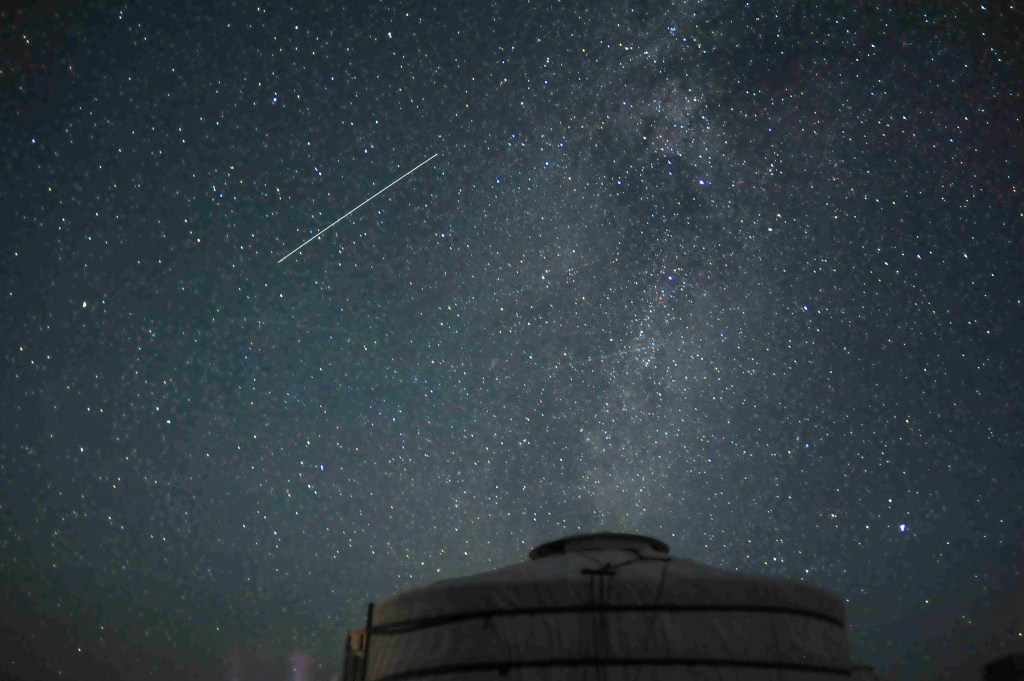
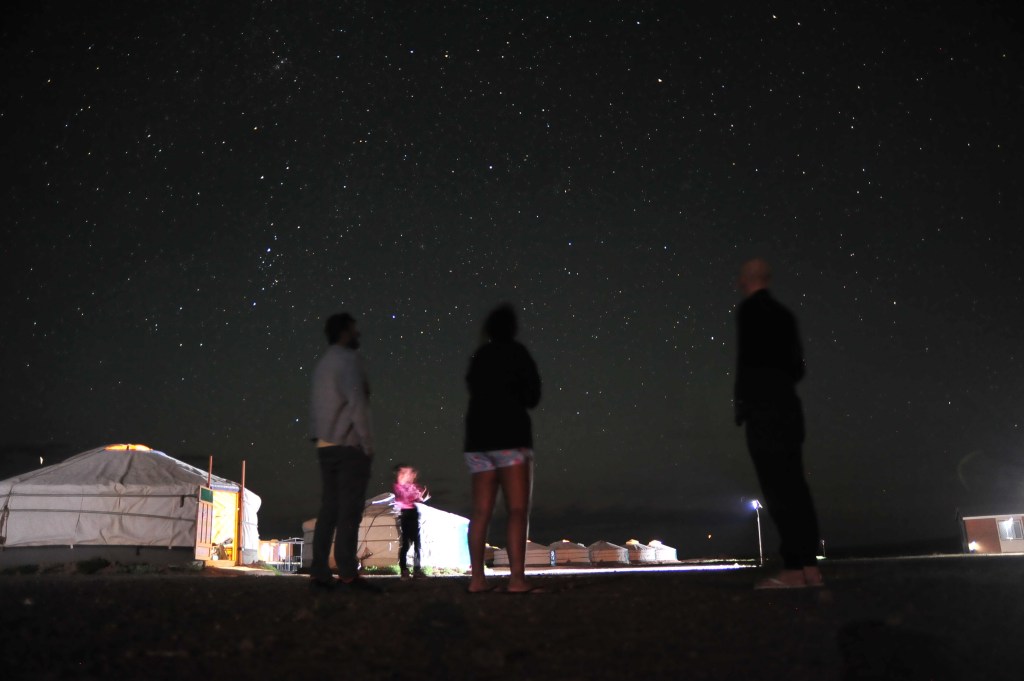
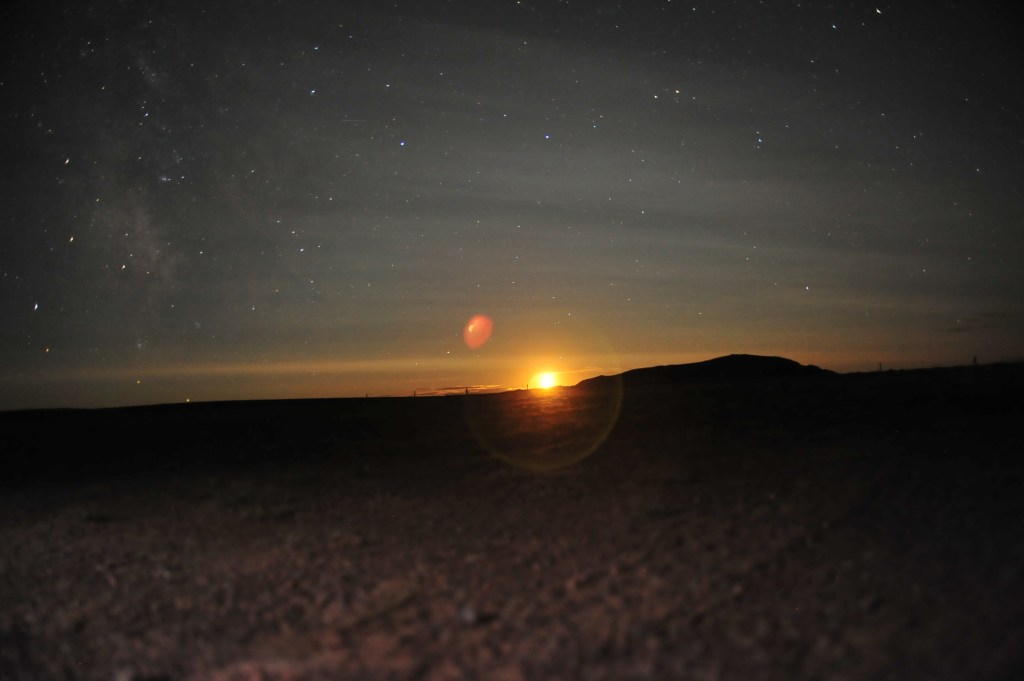
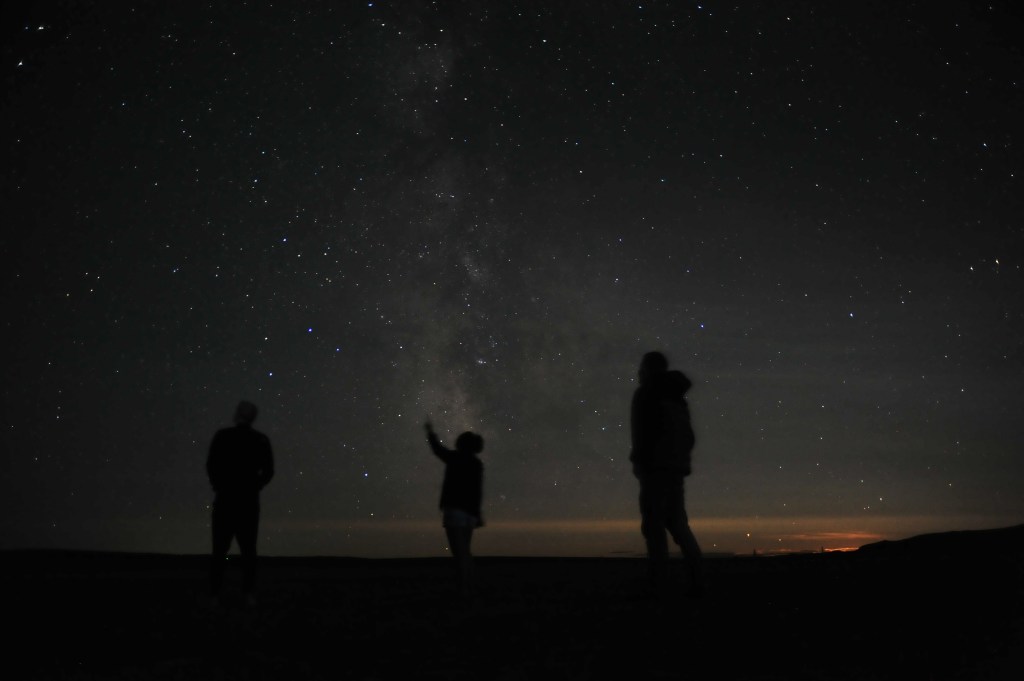
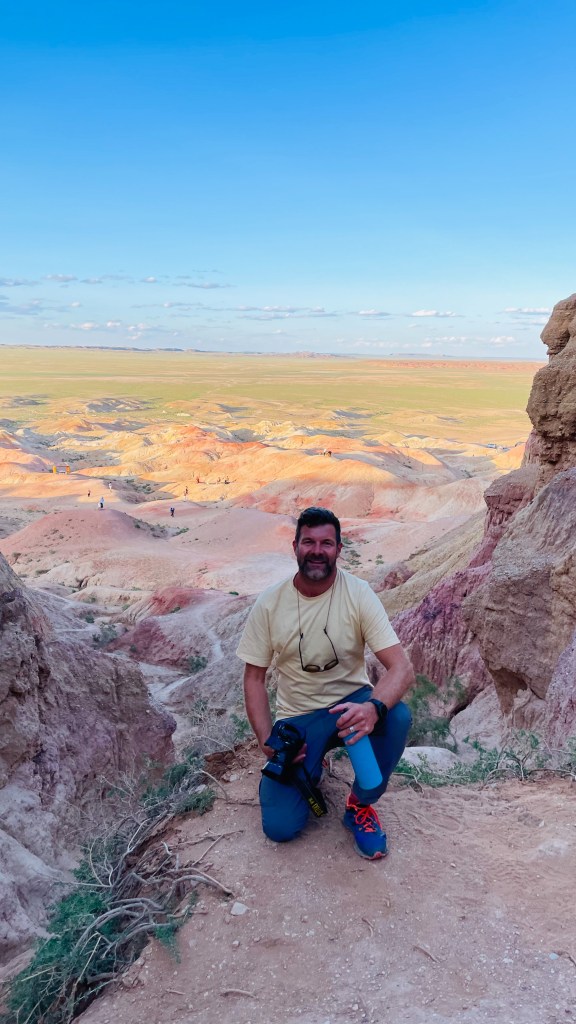
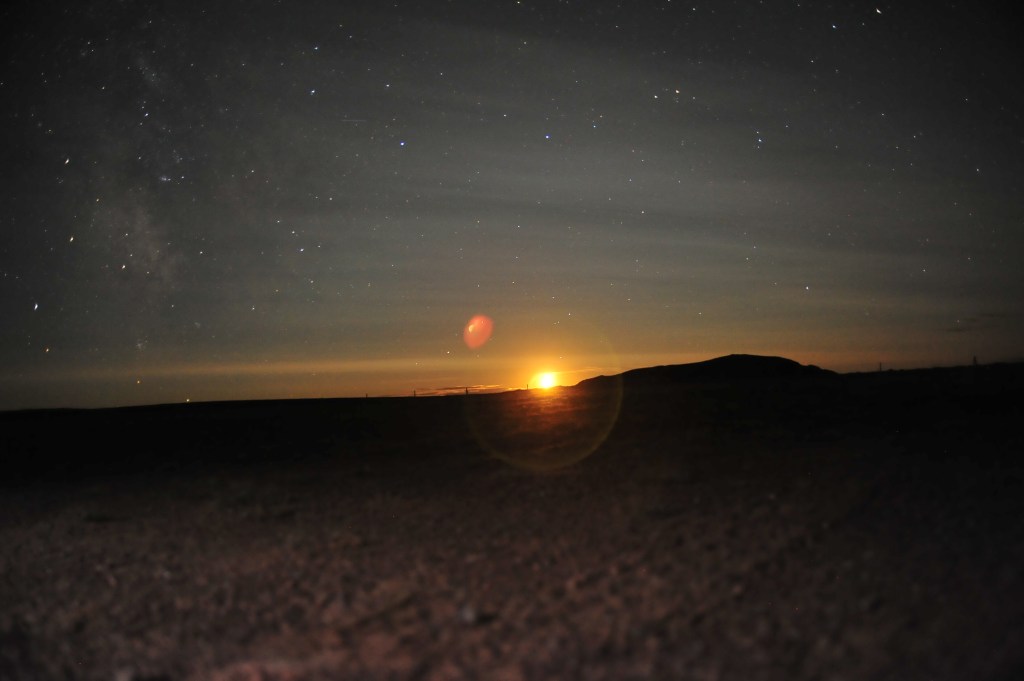
We continued on to the Tsagaan Suvarga (White Stupa) the stunning colourful “mud cliffs” in the Dundgobi province (middle gobi). The impressive site of the cliffs look like some huge abandoned desert city from afar, and are made up of sedimetary rock which used to from part of the seabed here. It’s a spectacular place to take photos and watch the sunset, whilst admiring how the colours of the terrain change as the sun sets. It’s a truly beautiful place – somewhere to sit and reflect and take in the vast, untouched landscape Mongolia is famous for. This is the point where you still subconsciously start falling in love with the enchanting gobi desert! From the top of the stupa, Soni pointed out our ger in the distance – we were all so excited to get to see where we were going to be spending the night. Spotted a pit viper slithering along on the walk back to the vehicle! We arrived at the ger and enjoyed a buffet style dinner, and then spent a few hours stargazing under a endless clear, moonless sky with the milky way streaking across the canvas of stars. It was one of those moments I’ll definitely never forget. I’d recommend bringing a decent camera and a small tripod so you can capture the stars. Night photography is not rocket science and I captured some great shots with little experience and no editing. For this you’ll need an SLR digital camera.
To capture some great shots and to keep an enigmatic record of your trip here are some quick tips to take pictures of the night sky.
– Attach a wide angle lens so you can get a nice wide image, not zoomed in – 18 mm for example
- Turn the ISO up high – something along the lines of 1500-2000
- Open the aperture to the widest is can go – wide means low f-stop so something like f4 depending on the lens you’re using
- Shutter speed should be set to around15 seconds – this means the shutter will be open for 15 seconds so it is essential you don’t press the shutter release button at the beginning otherwise you’ll get a severely blurred image. Set the camera onto timer mode so that when you press the release button the camera automatically opens the aperture after so many seconds
- Place the camera on the tripod nice and low – I set it up so that in the frame you could see the gers (yurts) with the night sky in the background
- Then start taking pictures!
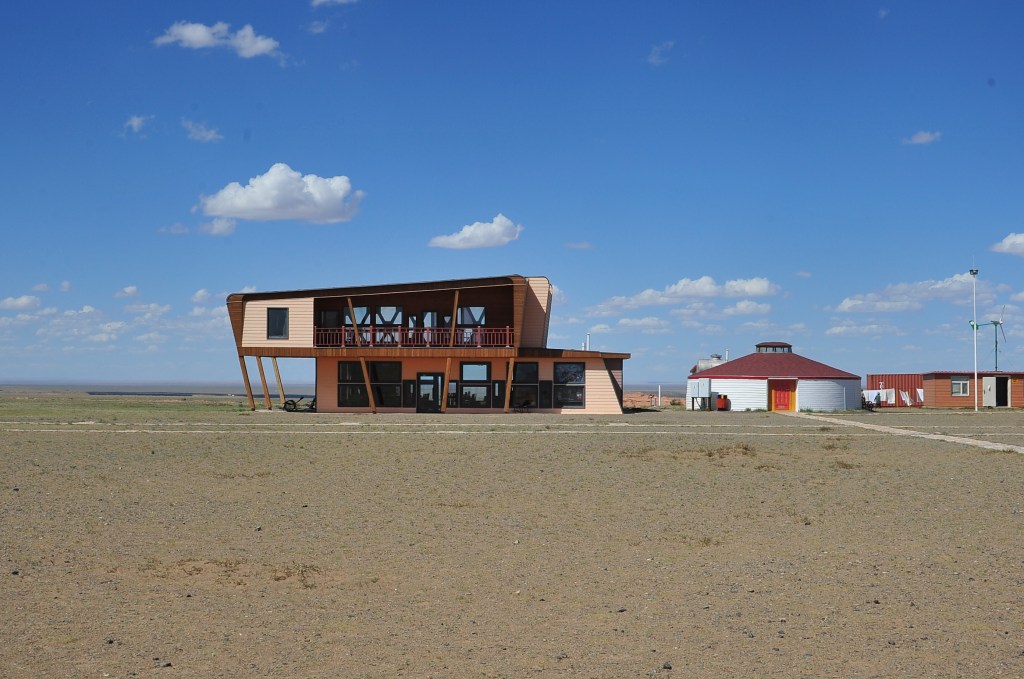
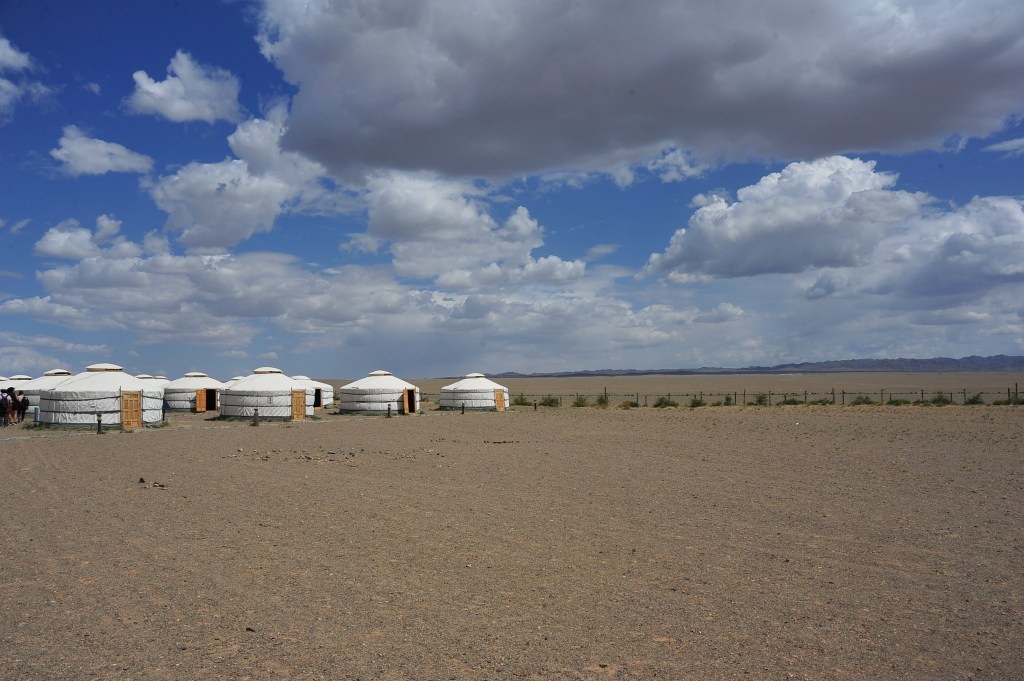
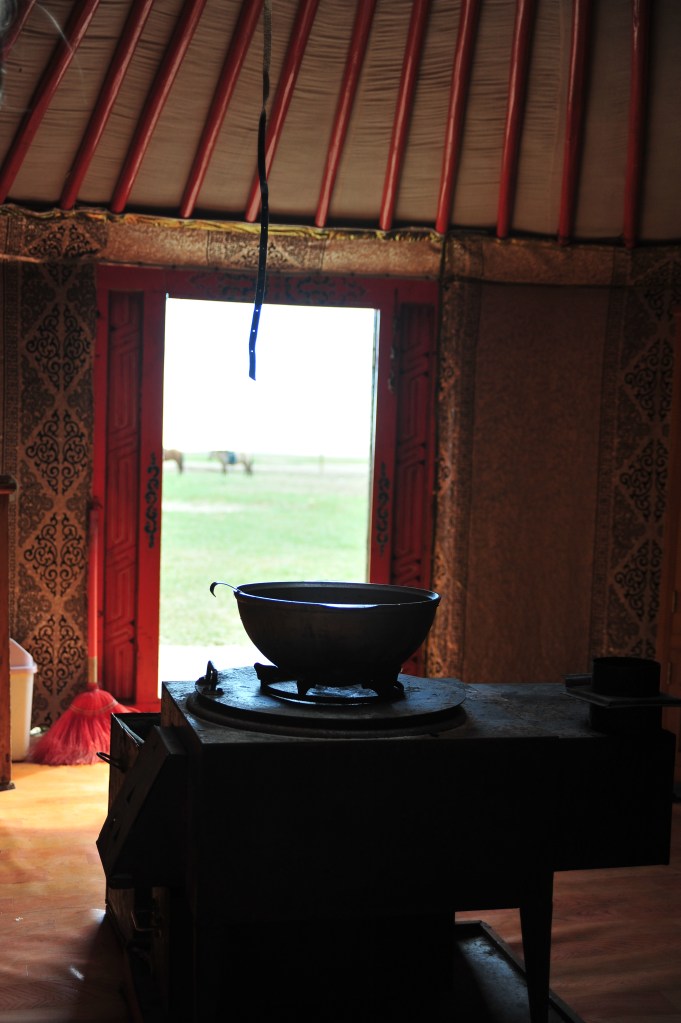
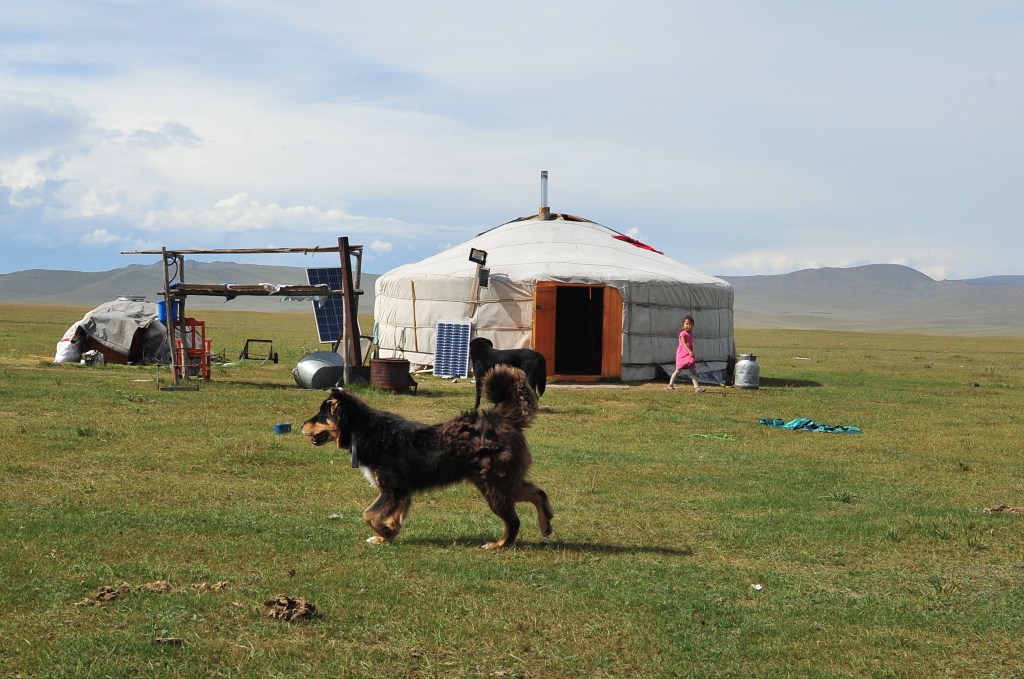
Before dinner we had each been shown to our individual gers and they were just amazing! Lots of space, ornate hand painted furniture and bright little wooden front doors. We later learnt that the reason gers have brightly painted doors is so they can be spotted when the rest of the landscape (and rest of the ger) is covered in snow! When you’re lying on bed you can admire the colourful hand painted roof slats and ornate wooden framed circular opening in the centre of the roof of the ger. Once the other tourists have gone to bed you can appreciate the total silence of the gobi, I slept so well too! In the morning when you walk around and appreciate the landscape with fresh eyes, you realise it’s quite hard to gauge how far objects are from you as there are so few distinguishing features to compare. A hill in the distance to my eyes could have been a mile away or 20 miles away! No way of judging! I was at this point I was already really attached to the landscape and didn’t want to leave that camp so soon!
Aug 25, Day 3: Gobi Gurvan Saikhan Mountain National Park and hiking in Eagle Valley
Next stop Eagle Valley! Gurvan Saikhan is a mountain range in Ömnögovi Province consisting of three subranges know as “The Three Beauties”. The valley is named after the bearded eagles which inhabit this national park. On the drive to the park we stopped and admired the statues of the “Three Beauties” – legend has it the mountains are actually the petrified daughters of a jealous ruler – he turned his beautiful daughters into mountains to make sure they would never leave him or come to any harm.
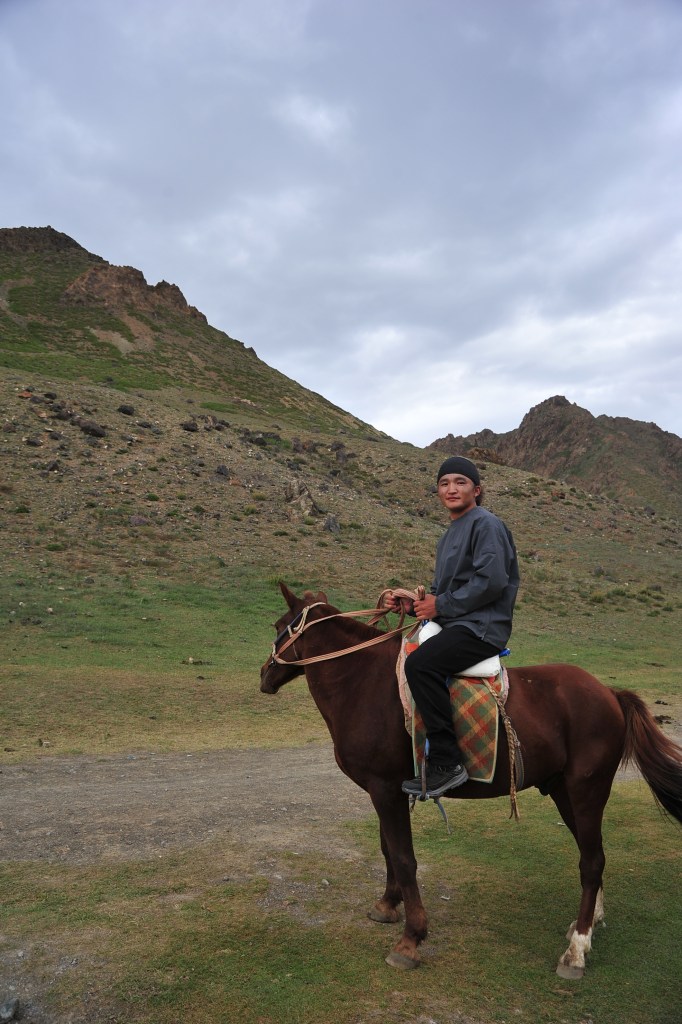
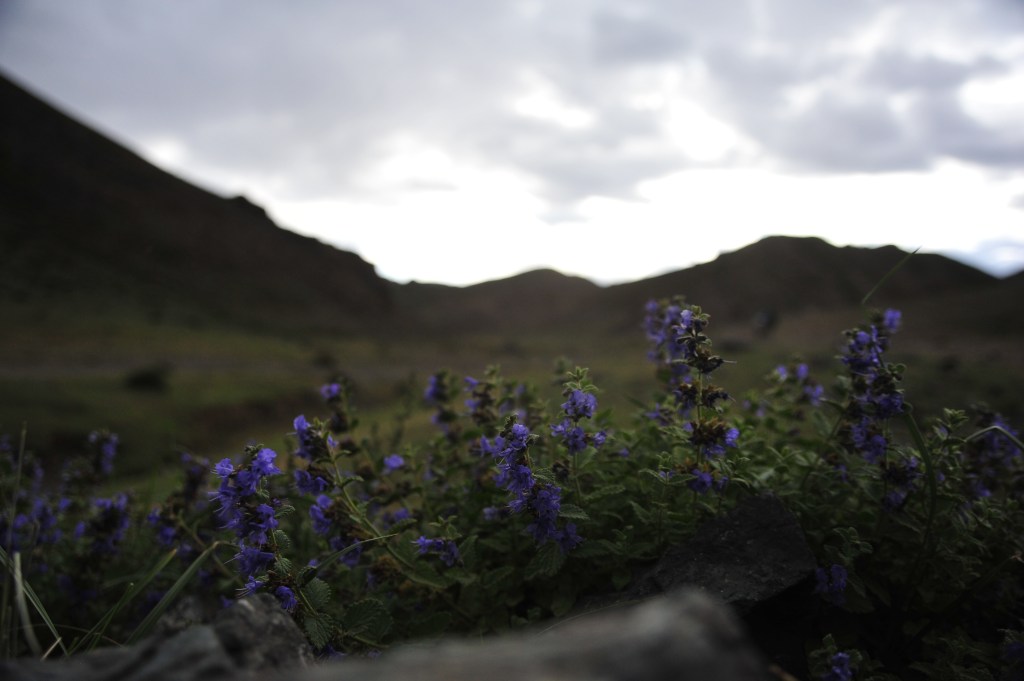
The fact that in the morning we were deep in the gobi desert and now we were about to enter the extremely mountainous and craggy landscape of the Gurvan Saikhan National Park, gives you in indication of how the landscape can change dramatically in Mongolia. We were luck enough to encounter several Siberian Ibex, their large, curved distinctive horns make them easier to spot from a distance, silhouetted against the sky. On the ground there were little pikas running around everywhere, their mouths full of grass and flowers. The area is also home to endangered Argali (wild sheep), huge bearded vultures, snow leopard, fox and gazelle. In face we spotted two gazelle on the drive to the valley, they raced past our vehicle and stopped a few metres away! A group of travellers from Taiwan pointed out an eagle’s nest high up on the hillside which was great. Many tourists are guided through the valley on horses, it was a fantastic experience seeing the skilled local horsemen guide their horses through this beautiful landscape. Another highlight was seeing a herd of yak charge past us, throwing up lots of dust in their wake. We continued to Gobi Erdene ger camp – bang in the middle of the flat desert landscape again – stunning! We were so lucky with the weather which was beautiful and really clear.
Aug 26, Day 4: Khongor Sand Dunes
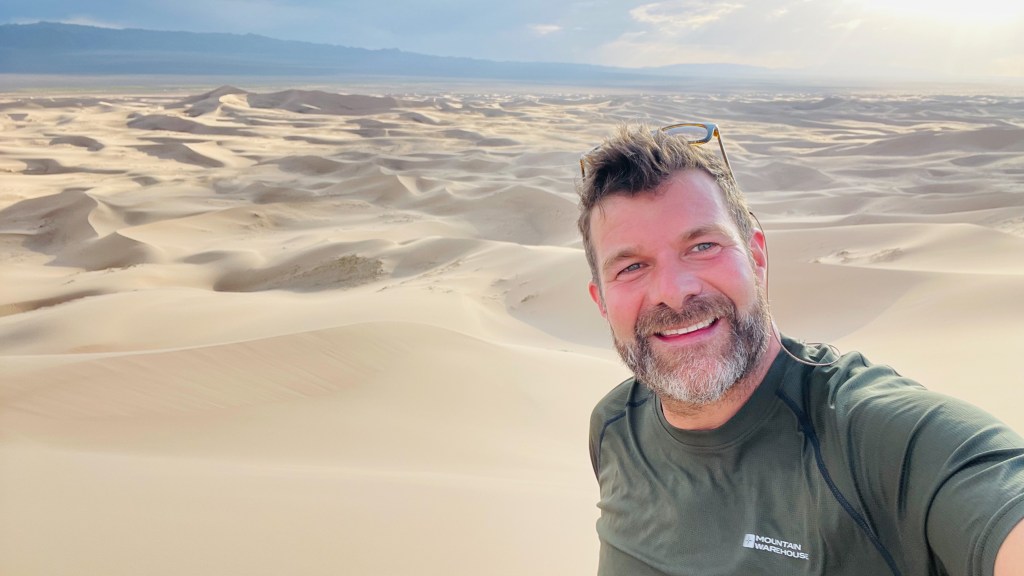
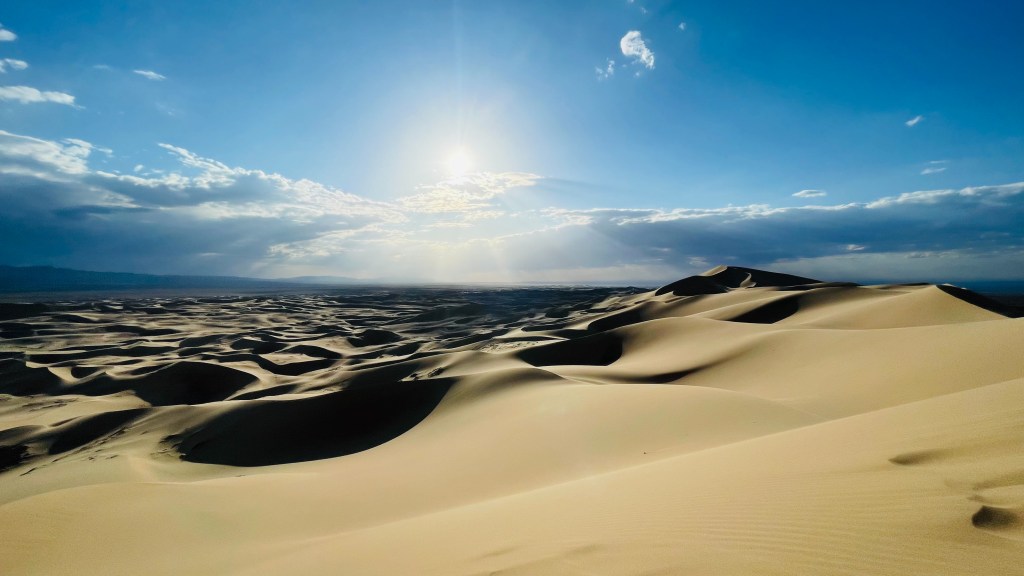
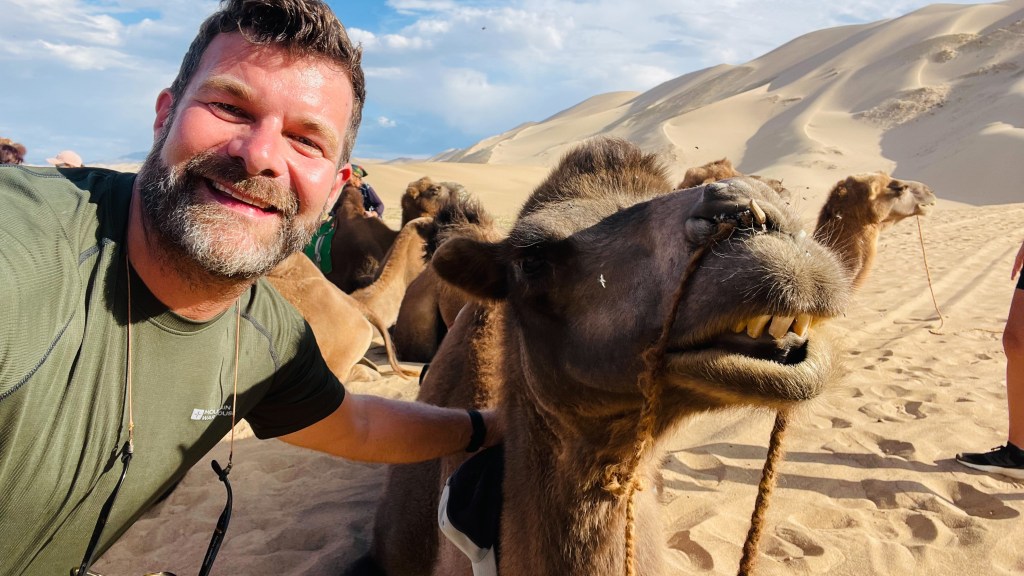
From the Ger we headed to Khongor Sand Dunes to ride camels and to see the stunning mountain like sand dunes which are visible from miles around. We met the camel herding family and our two guides, sporting Versace sunglasses, trendy handbags, fashionable baseballs caps etc – these two ladies were fabulous! The camels seemed very well looked after too and were absolutely gorgeous beasts – such characters. We all had a fantastic time plodding along in this superb landscape – just one of those things you’ll never forget. After dismounting and taking a few camel selfies, we were given an option of climbing the sand dunes or staying at the bottom where you could amble about at leisure. Antonia, Rocco and Fanny decided to stay put and relax, dear Rocco no doubt happy just wandering around snapping pictures of everything! We decided to give it a go and were keen to see the sunset from the top. The sand dunes tower above the gobi at a height of 300 metres and are known as singing sands, due to the noise the wind makes as it passes over the sand. Tsiigi hired us toboggans which we carried up with us.
We started the climb and soon realised this was not going to be a walk in the park. It seemed quite easy at first, but the shifting sand under your feet as you pushed on made it really slow going and it keep getting steeper and steeper. We stopped so many times! When I got to the top and looked over the ridge it was simply spectacular – and well worth the effort – pristine, golden sand dunes as far as the eye can see. It was totally magical. We looked down to check where Jen was and it was good to see Tsiigi helping her and ensuring she didn’t give up.
We sat up on the ridge and enjoyed the view for as long as possible. Tsiigi pointed out the next ger which wasn’t too far. Again, we were so luck with the weather – stunning blue skies, the lowering sun combined to make a truly stunning scene. We tried tobogganing down, Jen was a master at it, but Max and I couldn’t for the life of us get it moving in the sand, despite several hilarious attempts! I ended up just running down which was really exhilarating. I just wish the others could have made it up to see the view! As we drove away, looking back at the sun setting over the dunes so beautiful.
Aug 27, Day 5: Khavtsgait Rock Drawings and the Flaming Cliffs
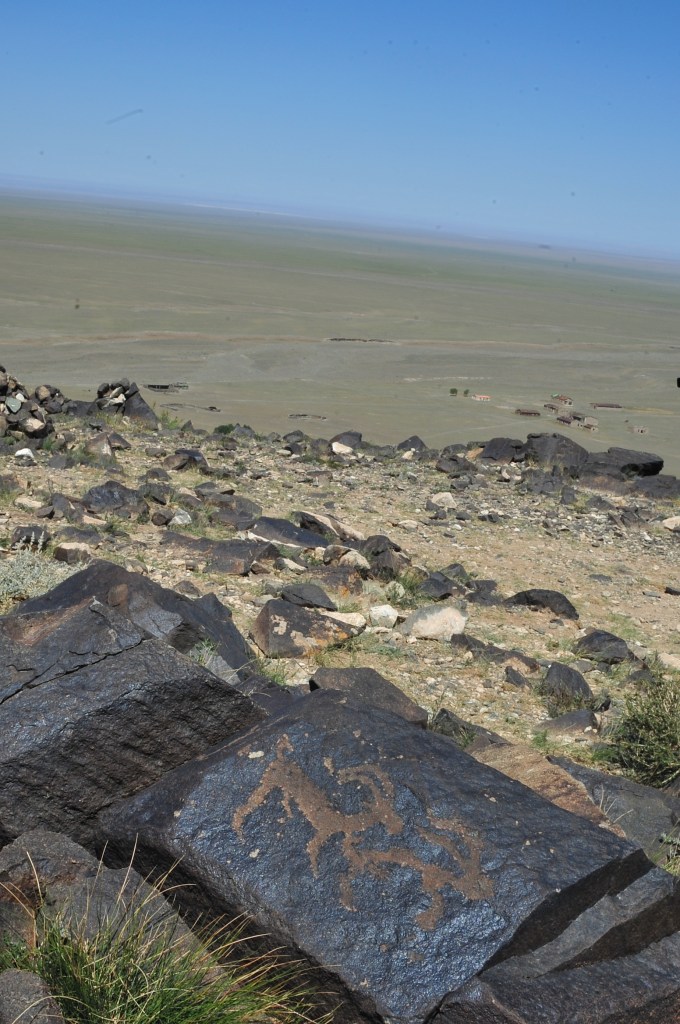
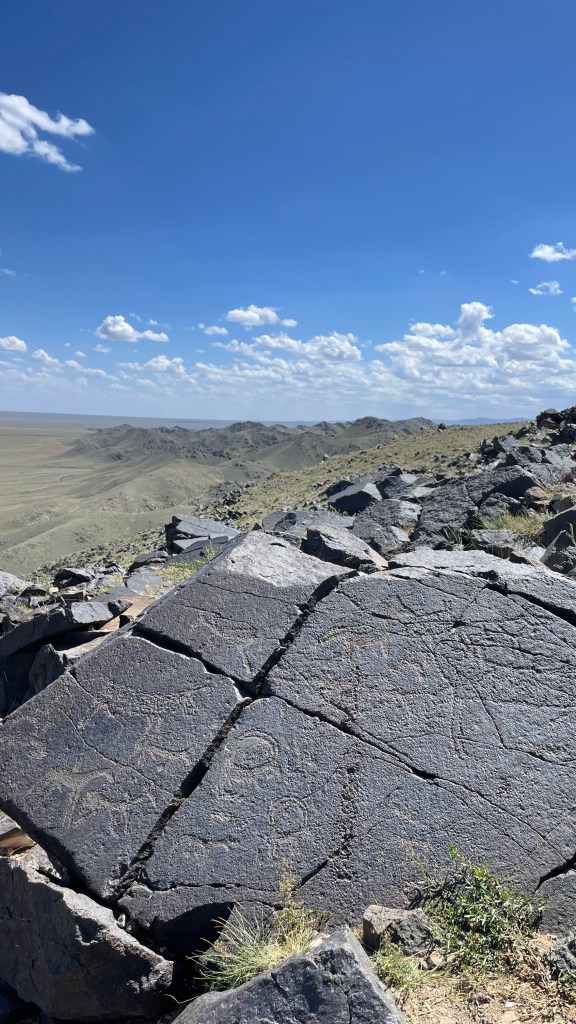
In the morning we continued on to the northern side of the West Saikhan mountain to see the Khavtsgait Rock drawings. After a short hike we started seeing these small, simple drawings dating from the bronze age on various rocks all over the mountain side. These fascinating petroglyphs date from between 3000 and 8000 BC! The depictions are primarily of hunting scenes and give a fascinating glimpse of the animals which inhabited the area (and still do) and also what life was like back then. Ibex, wild sheep, camel, snow leopard, horses, bows and arrows, wolves and even ger camps are all evident in the drawings.
 tomandbuntytrails