
In April La Soufriere exploded. The first eruption took place on the 9th April 2021 with eruptions finally ending on the 22nd April. The North of the island was declared a red zone; all the inhabitants in this area were ordered to evacuate – almost 20,000 islanders in total. The devastation was huge, and the effects, unsurprisingly, are very much apparent 8 months later. In the red zone, hundreds if not thousands of homes and businesses were damaged by ash, falling rock and lahars. Rain falls high up in the mountains and hills, washing all the ash and rock which has been expelled by the volcanic eruptions, the resulting mud flow is called a lahar. The destructive force of these fast-moving lahars is huge; bridges, houses, trees and mud banks are easily washed away. Following the dense ash-fall the rainfall which followed was therefore a blessing and a curse. The North of the island is still at risk from lahars as the ash is still thick on the ground in many places. The ash also creates issues for farmers, not only were the majority of crops lost, but the ground is hard to dig as the top covering is dense, wet ash. However, ash is also an incredible fertiliser and is full of nutrients, so again a blessing and a curse; we were shown plants whose leaves were 3 times their normal size in the red zone!
La Soufriére volcano in Saint Vincent dramatically dominates the northern tip of the island. It is an integral part of life here and has of course shaped the island over centuries. The island is fertile and the beaches are beautiful black sand. People all over the Caribbean buy produce from the island as it’s known to be the best. Another interesting fact about the North of the island – in my opinion, it could be counted as one of the world’s blue zones; we met several people with relatives who are over a hundred years old. They swear it is because of their simple diet of root vegetables (ground provision) such as dasheen, sweet potato, callaloo, eddoe, the fresh sea air and a paucity of processed junk food. I hope the younger generation can learn from their elders and avoid food that is high in sugar, salt and fat!
Following the evacuation of the Red Zone in April, thousands of people were temporarily housed in tents, houses, hotels and even cruise ships! The majority of people have gone back to their homes now, thankfully. Some folk refused to leave their homes during the entire catastrophe, it is a miracle nobody died. You have to admire that sense of determination. When you consider what the islanders have endured over the centuries you start to get a sense of where this resilient attitude comes from.
Farmers are growing again, but poverty and unemployment are widespread. Many farmers wake up to find their crops ransacked and their cattle stolen or slaughtered in the field by thieves. It’s so sad. I hope the government spend some of the millions received on helping farmers rebuild and assist the next generation of islanders to start their own farms. Relying less on imported food would be one great way to boost the economy of the island and would have a fantastic trickle-down effect of allowing more people to export their produce too.
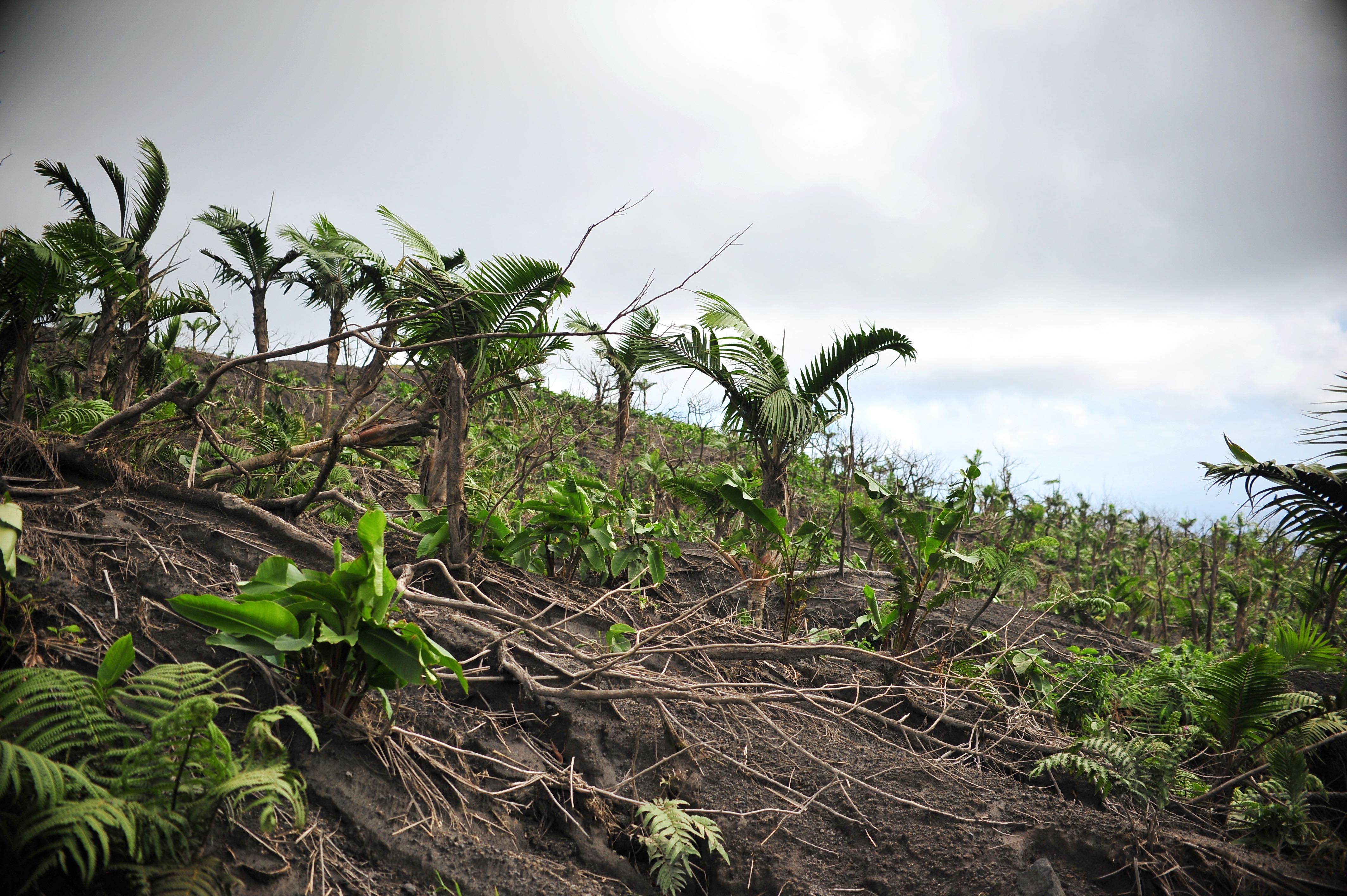
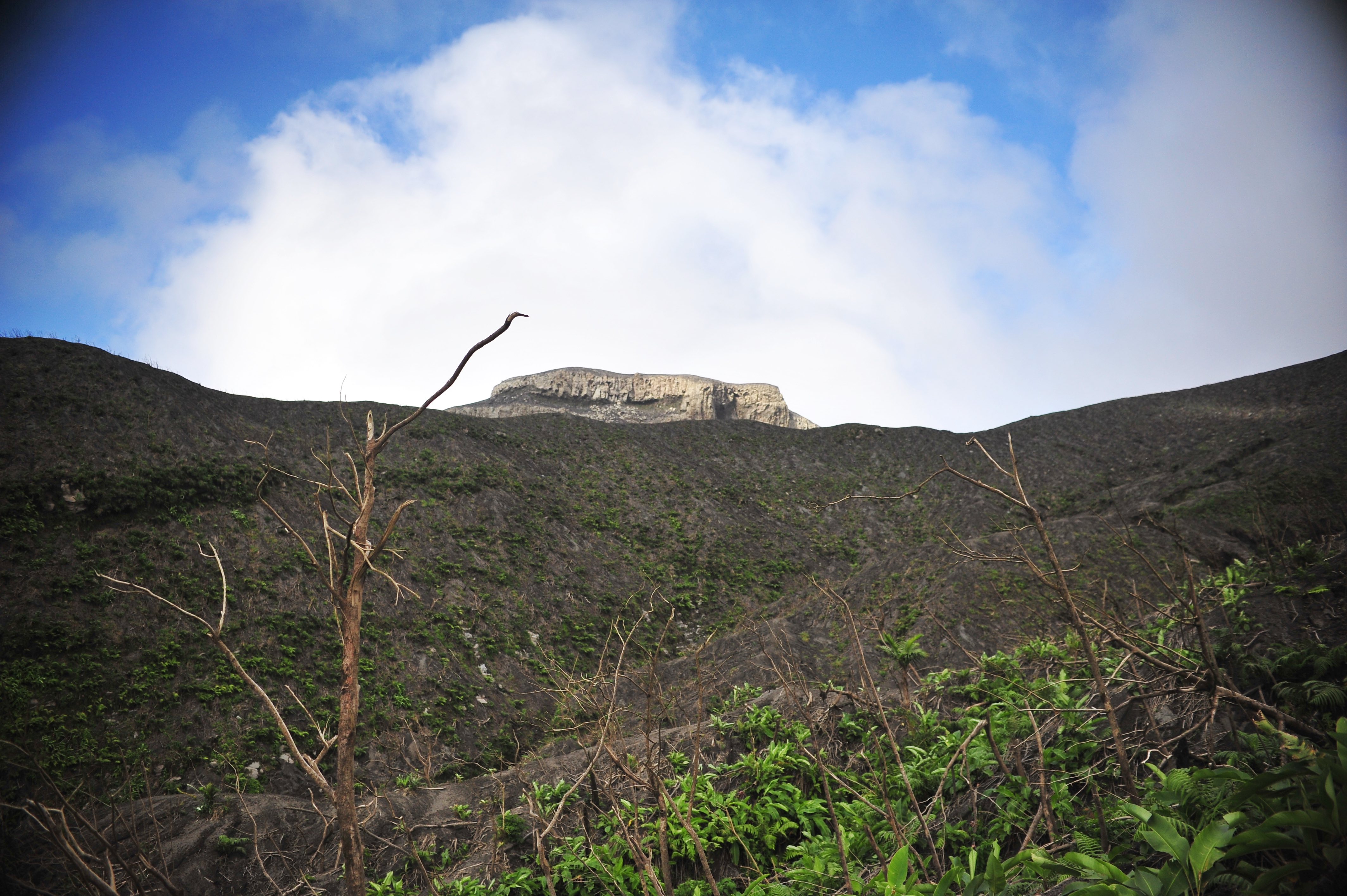
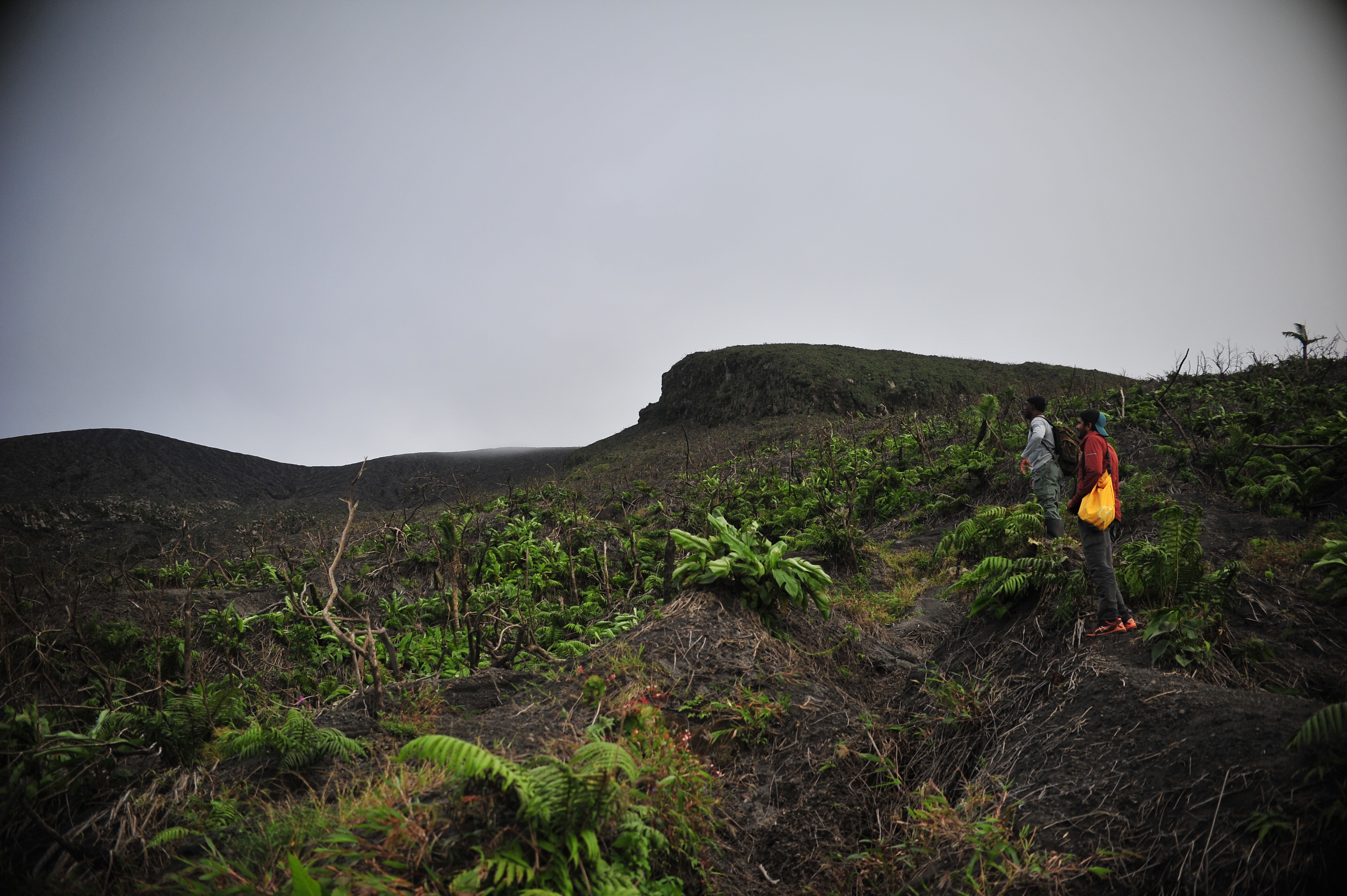
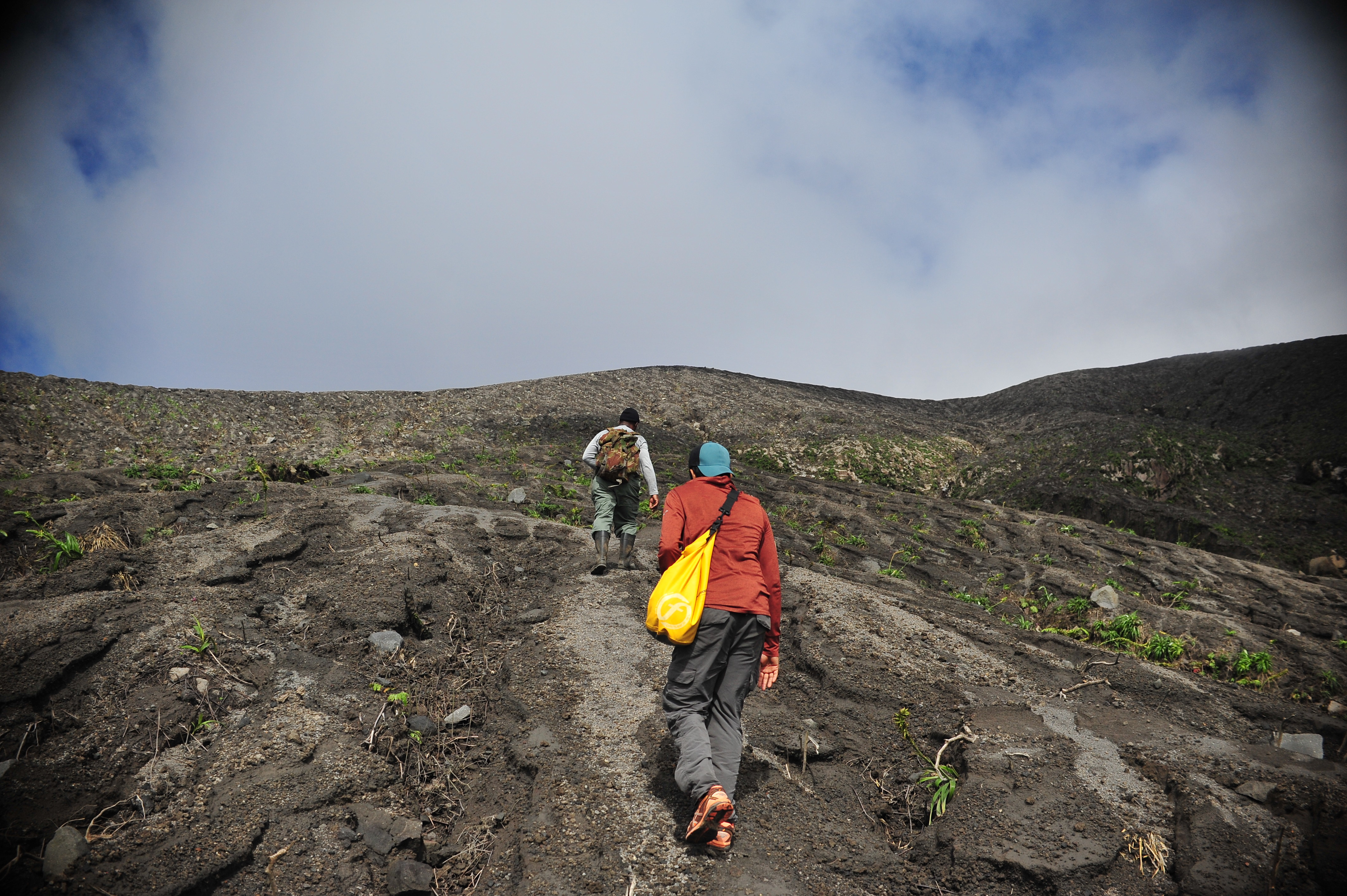
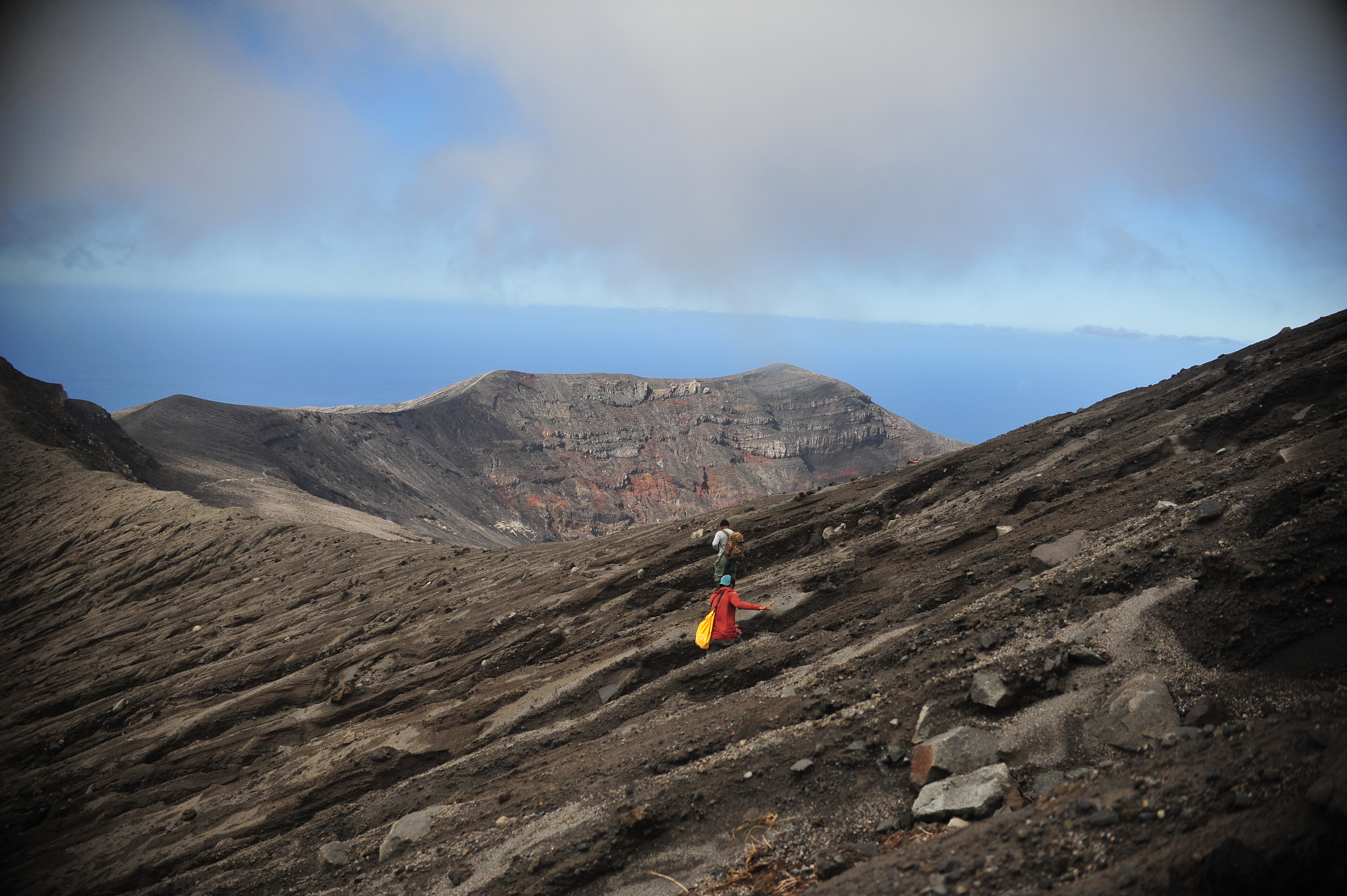
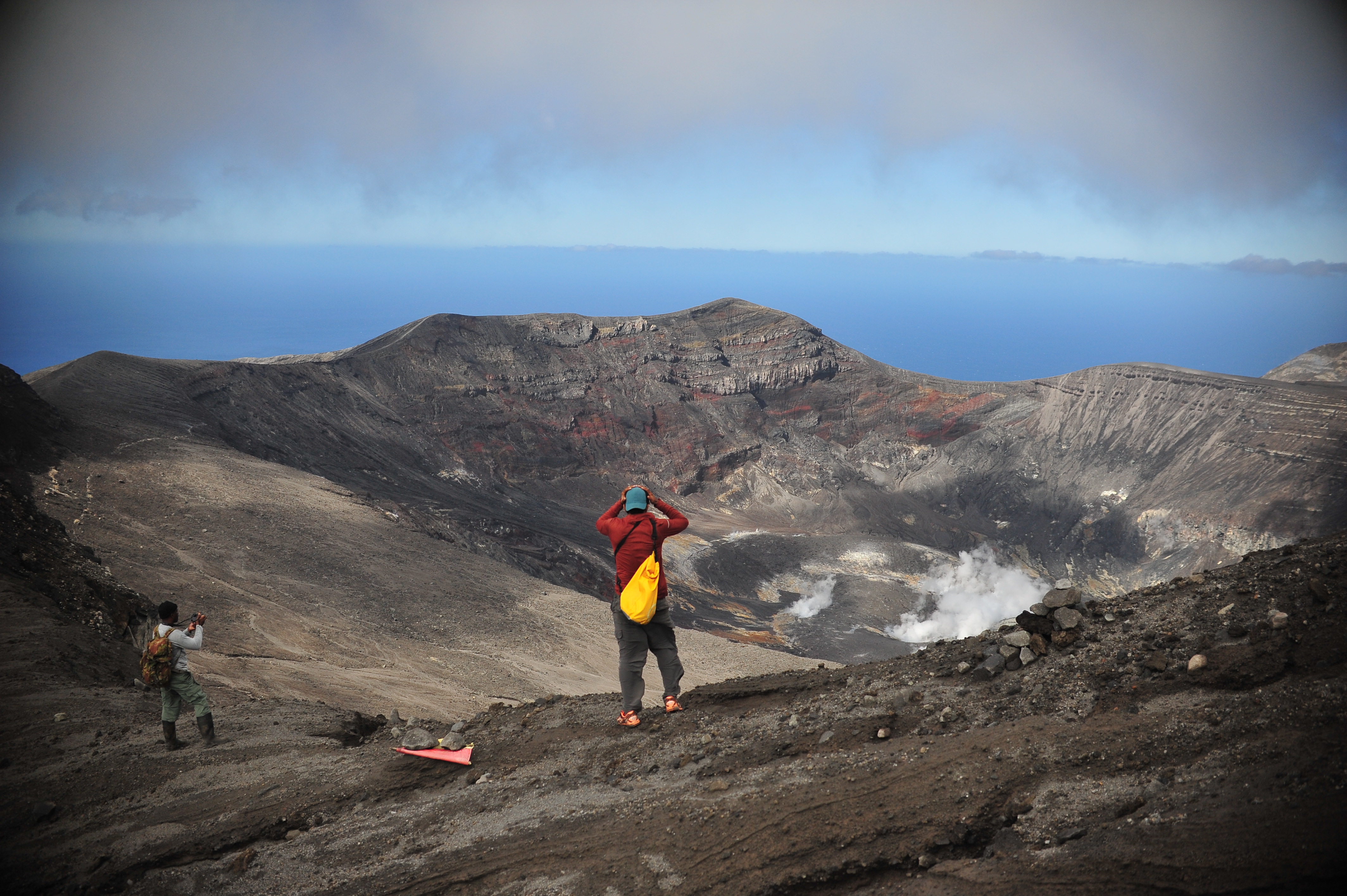
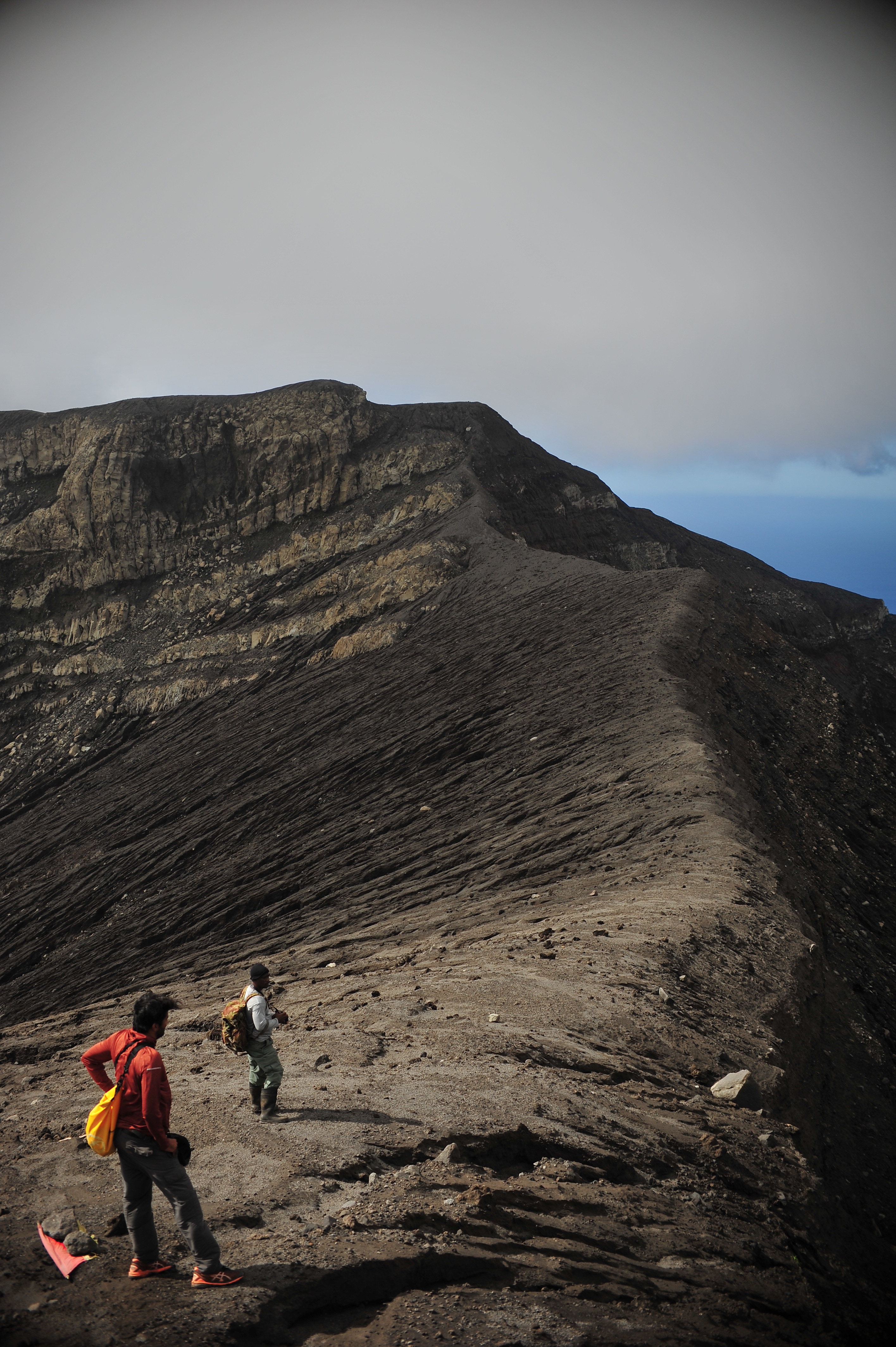
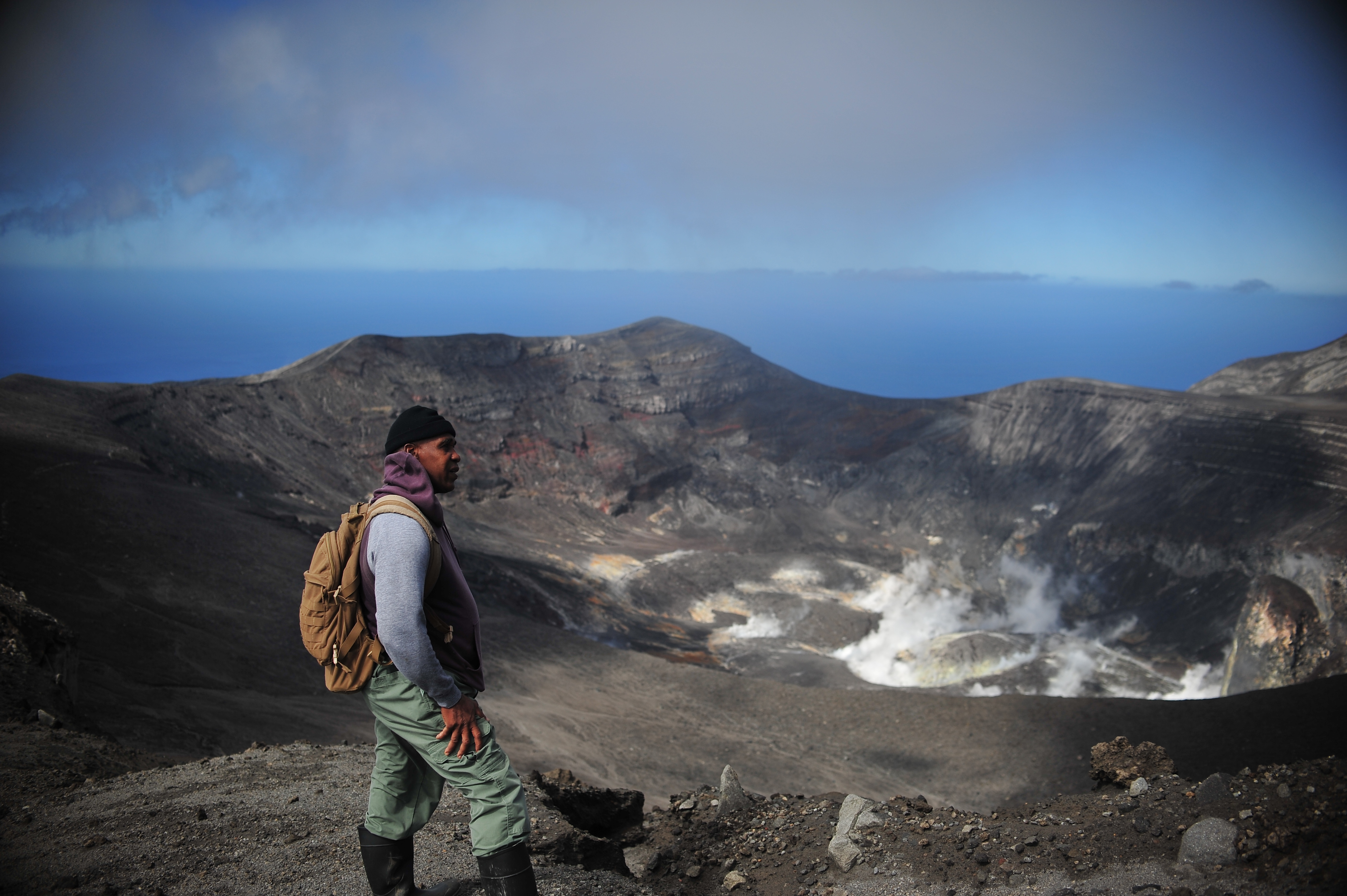
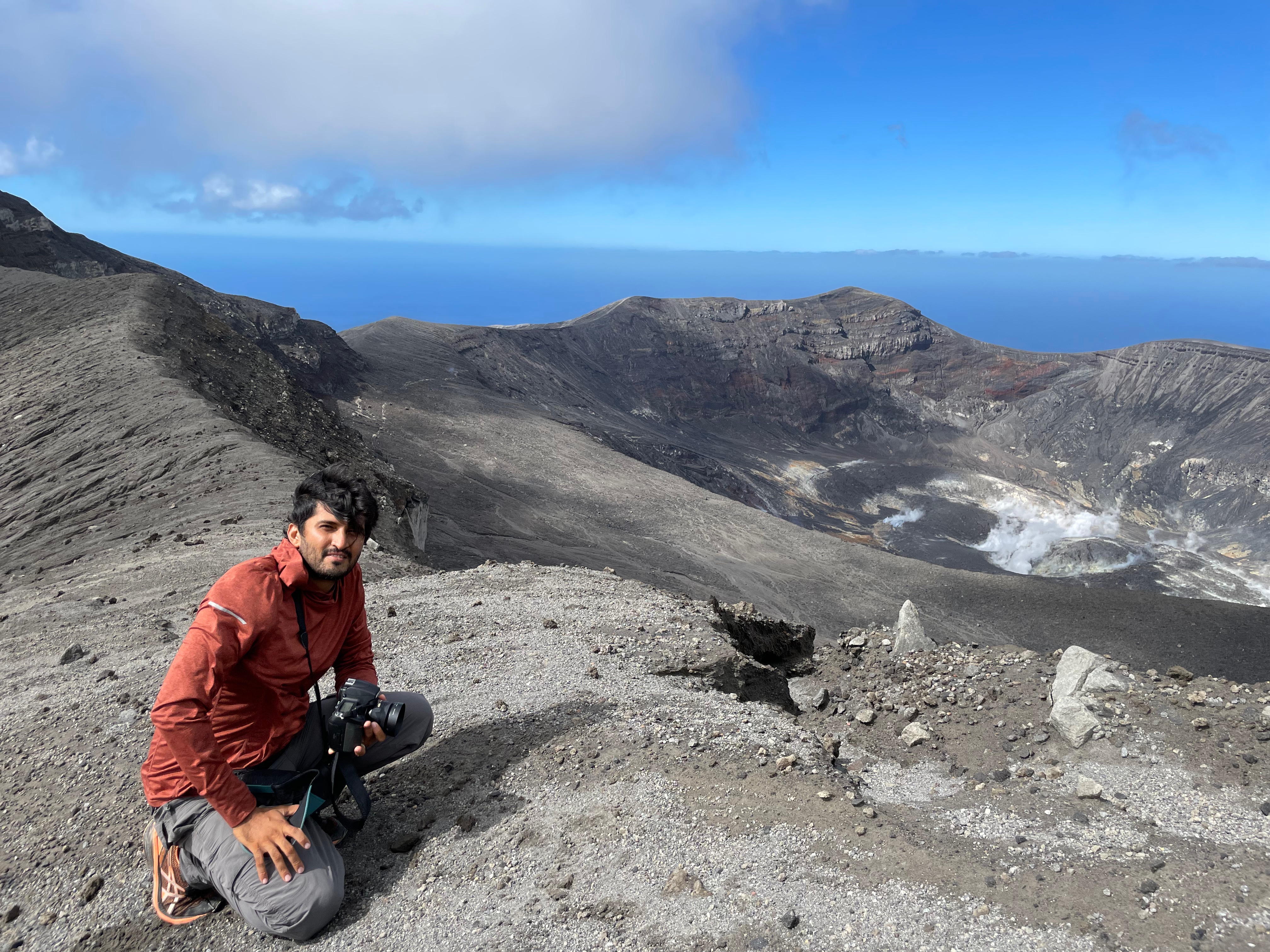
We were lucky enough to climb La Soufriere yesterday. It was a privilege to go up and see how it has changed and to witness first-hand how the flora and fauna are recovering. Wildlife expert, Glenroy Games and his friend “Rambo” were our excellent guides and we couldn’t have been in better hands! These guys know the mountain intimately, as well as the island’s flora and fauna. A fortnight ago the UWI Seismic Research Centre confirmed that the eruptive phase at La Soufriѐre Volcano has ended. We were probably some of the first tourists to go up since the eruptions and no tour groups are currently going up. At trail car park the ash sits thick on the roofs of the toilets and welcome centre, other roofs have completely collapsed. The jungle at the beginning of the trail used to be dense and lush, but now it’s a lot more sparse. As you climb up it becomes more and more barren and desolate, but there are plenty of signs of recovery, with ferns, bromeliads, palms, bamboos and other trees coming back to life amongst the thick ash. The hike up is tough near the summit as you are clambering over thick compacted ash – but the view when you get there is worth it, for sure! We were so lucky with the weather – it’s often very cloudy up there, and on the day we went, it was so clear. The wind was getting up so we couldn’t safely continue trekking around the rim to the “2nd crater”, but hope to see it next time!




If you’re planning to visit the Caribbean, you must make Saint Vincent and the Grenadines one of the stops on your itinerary! Often sadly overlooked by tourists who end up just visiting one of the better-known destinations from a glossy brochure, the 32 beautiful islands have everything! From the lush rainforests of Vermont Nature Trail, to incredible diving sites (I’ll do a separate post about them as we have just qualified as scuba divers!), beautiful waterfalls, stunning black and white sand beaches, hiking trails, snorkelling, whale watching, amazing food and vibrant markets! If you ever need tips please feel free to follow me and drop me a comment! Saint Vincent now has a large international airport with direct connections from Barbados, Virgin Atlantic from Heathrow, Miami and Canada.
 tomandbuntytrails
Leave a comment